
Introduction to Cloud Infrastructure
Technology has changed the way businesses operate, store information, and deliver services to customers. In the past, organizations depended on physical servers, large data centers, and expensive hardware systems to run their applications. Maintaining these traditional systems required significant investment, technical expertise, and continuous management.
Today, cloud infrastructure has transformed the digital world by providing flexible, scalable, and cost-effective computing resources through the internet. Companies of all sizes, from small startups to global enterprises, use cloud infrastructure to build applications, store data, improve security, and deliver faster digital experiences.
Cloud infrastructure is the foundation behind many online services people use every day. Streaming platforms, online banking systems, e-commerce websites, social media networks, and artificial intelligence applications all rely on powerful cloud environments to operate efficiently.
The increasing demand for digital transformation has made cloud infrastructure one of the most important technologies in the modern business landscape. Organizations are moving away from traditional hardware-based systems and adopting cloud solutions because they offer better performance, improved reliability, and easier management.
This complete guide explains everything about cloud infrastructure, including its meaning, components, types, advantages, challenges, security practices, major providers, and future developments.
What Is Cloud Infrastructure?
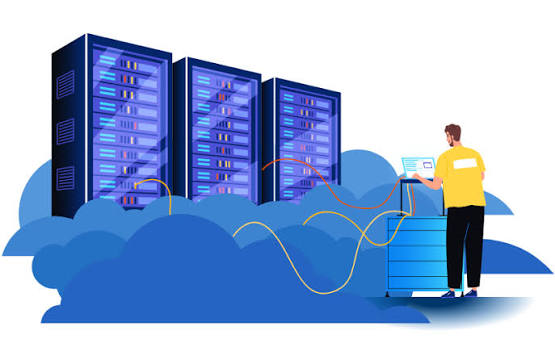
Cloud infrastructure refers to the collection of hardware, software, networking systems, storage resources, and services that work together to provide cloud computing capabilities over the internet.
Simply explained, cloud infrastructure is the technology framework that allows users and businesses to access computing resources without owning and maintaining physical equipment.
Instead of purchasing expensive servers and installing them in a private facility, organizations can rent computing power, storage space, databases, and networking services from cloud providers.

For example, a company launching a new mobile application does not need to purchase hundreds of servers before knowing whether the application will succeed. Through cloud infrastructure, the company can instantly access the resources it needs and increase or decrease capacity according to demand.
Cloud infrastructure includes several important elements:
- Computing resources
- Data storage systems
- Networking technologies
- Virtual machines
- Security solutions
- Management tools
- Data centers
- Cloud-based software platforms
Together, these components create a complete environment where applications and services can operate efficiently.
Why Cloud Infrastructure Matters
Cloud infrastructure has become essential because modern businesses require technology systems that can adapt quickly to changing demands.
Traditional IT infrastructure often creates limitations. Companies must estimate future requirements, purchase hardware, install equipment, and manage maintenance. This process can take weeks or months and requires significant financial investment.
Cloud infrastructure removes many of these limitations by providing on-demand access to technology resources.
Some major reasons why cloud infrastructure is important include:
1. Scalability
One of the biggest advantages of cloud infrastructure is scalability.
Businesses experience changing workloads. For example, an online shopping website may receive millions of visitors during holiday sales but much fewer visitors during normal days.
Cloud infrastructure allows companies to increase resources during high-demand periods and reduce them when demand decreases.
This flexibility prevents businesses from paying for unused hardware while ensuring smooth performance during traffic spikes.
2. Cost Efficiency
Building and maintaining physical data centers can be extremely expensive.
Organizations must invest in:
- Servers
- Cooling systems
- Electricity
- Security equipment
- IT staff
- Hardware upgrades
With cloud infrastructure, companies usually pay only for the resources they use. This reduces upfront costs and allows businesses to manage their technology budgets more effectively.
3. Improved Performance
Cloud providers operate advanced data centers equipped with powerful processors, high-speed networks, and modern technologies.
These systems provide faster application performance, reduced downtime, and better user experiences.
Many cloud platforms also use global data centers, allowing businesses to deliver services closer to their customers.
4. Better Reliability
Reliable infrastructure is critical for modern digital services.
Cloud providers design their systems with:
- Backup systems
- Multiple data centers
- Disaster recovery solutions
- Automatic failover technology
These features help protect businesses from unexpected failures and data loss.
How Does Cloud Infrastructure Work?

Cloud infrastructure works by combining physical and virtual technologies to deliver computing services through the internet.
At the foundation are physical data centers owned and operated by cloud providers. These facilities contain thousands of servers, storage devices, and networking systems.
Cloud providers use virtualization technology to divide physical hardware into multiple virtual environments.
For example, a single physical server can run several virtual machines, each acting like an independent computer system.
Users can access these virtual resources through cloud management platforms or APIs.
The basic process works like this:
- Cloud providers build large data centers.
- Hardware resources are connected through advanced networks.
- Virtualization technology creates flexible virtual resources.
- Customers access these resources through online platforms.
- Resources automatically scale based on requirements.
This model allows millions of users to share cloud resources securely and efficiently.
Main Components of Cloud Infrastructure

Cloud infrastructure consists of several major components that work together to provide reliable cloud services.
1. Hardware Infrastructure
Hardware is the physical foundation of cloud computing.
It includes:
- Servers
- Storage devices
- Network equipment
- Data center facilities
- Backup systems
Although users interact with virtual services, these physical components make cloud operations possible.
2. Storage Infrastructure
Storage infrastructure manages the saving, protection, and retrieval of digital information.
Cloud storage allows businesses to store:
- Documents
- Databases
- Images
- Videos
- Application files
- Backup data
Modern cloud storage systems provide high availability and automatic replication to protect important information.
3. Computing Resources
Computing resources provide processing power required to run applications and perform tasks.
Examples include:
- Virtual machines
- Dedicated servers
- Containers
- Serverless computing environments
Businesses can select different computing options depending on their requirements.
4. Networking Infrastructure
Networking connects cloud resources and allows communication between users, applications, and services.
Important networking components include:
- Virtual networks
- Load balancers
- Firewalls
- Internet gateways
- Private connections
A strong networking foundation ensures fast and secure data transfer.
5. Virtualization Technology
Virtualization is one of the most important technologies behind cloud infrastructure.
It allows physical hardware resources to be divided into multiple virtual environments.
Benefits of virtualization include:
- Better resource utilization
- Lower costs
- Faster deployment
- Easy scalability
Virtual machines and containers are common examples of virtualization technologies.
Frequently Asked Questions (FAQs) About Cloud Infrastructure
What is cloud infrastructure?
Cloud infrastructure is the combination of hardware, software, networking systems, storage solutions, and virtual technologies that provide cloud computing services through the internet. It allows businesses and individuals to access computing resources without managing physical servers and data centers.
Why is cloud infrastructure important for businesses?
Cloud infrastructure helps businesses reduce costs, improve scalability, increase performance, and maintain reliable digital services. Companies can quickly adjust their resources according to demand without investing in expensive physical hardware.
What are the main components of cloud infrastructure?
The main components of cloud infrastructure include computing resources, storage systems, networking solutions, virtualization technology, security tools, and management platforms. These elements work together to deliver efficient cloud services.
What are the different types of cloud infrastructure?
The major types of cloud infrastructure include public cloud, private cloud, hybrid cloud, and multi-cloud infrastructure. Each type provides different levels of control, flexibility, security, and cost efficiency depending on business requirements.
How does cloud infrastructure improve scalability?
Cloud infrastructure allows organizations to increase or decrease computing resources whenever needed. This means businesses can handle sudden increases in website traffic, application usage, or data processing requirements without purchasing additional hardware.
Is cloud infrastructure secure?
Yes, cloud infrastructure can provide strong security when properly configured. Cloud providers use advanced security technologies such as encryption, identity management, firewalls, monitoring systems, and regular security updates to protect customer data.
What are the advantages of using cloud infrastructure?
The major advantages of cloud infrastructure include lower operational costs, improved flexibility, faster deployment, better reliability, automatic backups, enhanced collaboration, and access to advanced technologies.
What is the difference between traditional infrastructure and cloud infrastructure?
Traditional infrastructure requires businesses to own and manage physical servers, while cloud infrastructure provides computing resources through online platforms. Cloud solutions offer greater flexibility, easier scaling, and reduced maintenance requirements.
Which industries use cloud infrastructure?
Almost every industry uses cloud infrastructure, including healthcare, finance, education, retail, entertainment, manufacturing, and technology. Organizations use cloud services for applications, data storage, analytics, artificial intelligence, and digital transformation.
What is the future of cloud infrastructure?
The future of cloud infrastructure will focus on artificial intelligence, edge computing, automation, improved security, serverless technologies, and advanced data management. Cloud technology will continue to play a major role in global digital innovation.
Conclusion: The Future and Importance of Cloud Infrastructure
Cloud infrastructure has become one of the most important technologies powering the modern digital world. It provides businesses with flexible, scalable, and reliable computing resources that help them innovate faster and operate more efficiently.
Unlike traditional IT infrastructure, cloud infrastructure eliminates the need for large hardware investments and complex maintenance processes. Organizations can access powerful computing systems, secure storage solutions, and advanced networking capabilities whenever they need them.
From startups to global enterprises, businesses are adopting cloud infrastructure to improve performance, reduce costs, strengthen security, and deliver better experiences to their customers.
As technology continues to evolve, cloud infrastructure will become even more advanced through artificial intelligence, automation, edge computing, and next-generation security solutions. Companies that understand and adopt cloud technologies will be better prepared to compete in an increasingly digital economy.
Cloud infrastructure is no longer just an optional technology solution; it has become a fundamental part of modern business operations. By choosing the right cloud strategy and following best practices, organizations can achieve greater efficiency, flexibility, and long-term growth.