
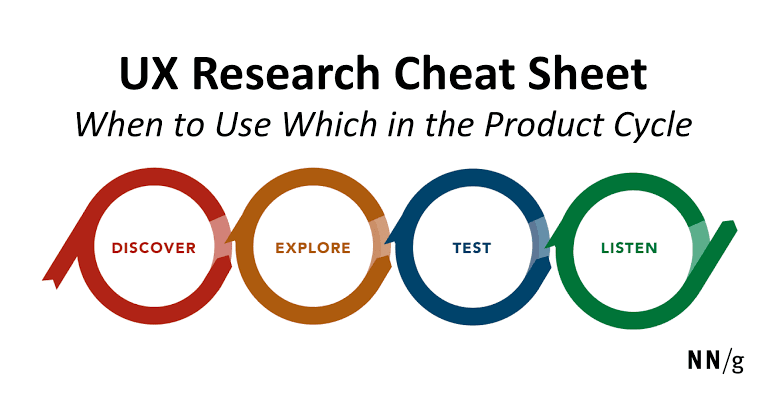
Introduction to User Research
In today’s digital world, businesses are no longer successful only because they create attractive products or services. The real success comes from understanding people, their problems, expectations, behaviors, and experiences. This is where user research becomes one of the most important parts of product development, marketing, and business strategy.
User research is the process of studying users to understand their needs, motivations, challenges, preferences, and behaviors. It helps companies make informed decisions instead of relying on assumptions. Whether a company is creating a mobile application, website, software platform, online store, or any digital experience, user research provides valuable insights that improve the final result.
Many businesses fail because they create products based on what they think customers want rather than discovering what customers actually need. User research removes this uncertainty by connecting businesses directly with their target audience.
What Is User Research?
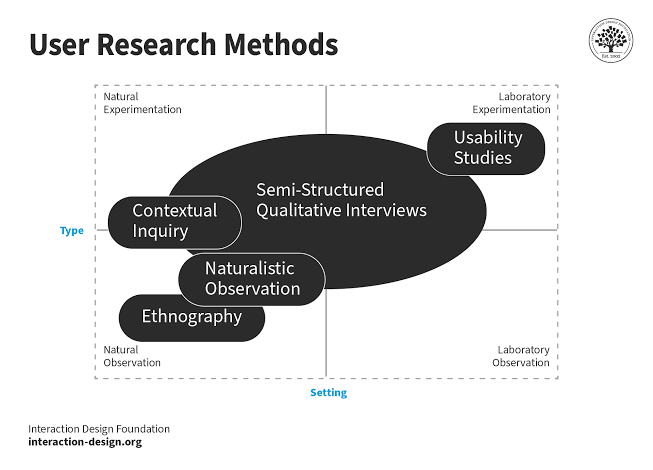
User research is a systematic process of collecting and analyzing information about users. The main purpose of user research is to understand who the users are, what they want to achieve, what problems they face, and how they interact with products or services.
A user researcher studies different aspects of human behavior, including:
- User goals and expectations
- Customer pain points
- Buying decisions
- Product usage habits
- Emotional responses
- User satisfaction levels
- Difficulties users experience
The information collected through user research helps designers, developers, marketers, and business owners create solutions that are useful, simple, and enjoyable.
For example, if a company wants to launch a new shopping application, it cannot depend only on its own ideas. Through user research, the company can discover whether customers prefer faster checkout, better product filters, personalized recommendations, or easier payment options.
Why Is User Research Important?
User research plays a major role in creating successful products. Without proper research, businesses may spend time and money developing features that users do not need.
Here are some important reasons why user research matters:
1. Understanding Customer Needs
Every user has different expectations. A product that works well for one group of people may not work for another. User research helps companies identify what customers actually need.
By understanding customer requirements, businesses can create products that solve real problems instead of adding unnecessary features.
2. Improving User Experience
User experience determines how easily and comfortably people interact with a product. A confusing website, complicated application, or difficult purchasing process can make users leave.
User research helps identify areas where users struggle and provides solutions to improve the overall experience.
3. Reducing Business Risks
Launching a new product involves investment and uncertainty. User research reduces risks by providing evidence-based insights before development begins.
Companies can test ideas, collect feedback, and make improvements before spending large amounts of resources.
4. Creating Customer-Centered Products
Modern businesses focus on customer-centered design. This means creating products around real user needs rather than business assumptions.
User research allows companies to understand their audience deeply and build stronger relationships with customers.
Types of User Research
User research can be divided into different categories depending on the goals of the study.
Qualitative User Research
Qualitative research focuses on understanding user opinions, feelings, experiences, and motivations.
Common qualitative research methods include:
User Interviews
User interviews involve direct conversations with customers. Researchers ask questions to understand user experiences, challenges, and expectations.
Interviews provide detailed information that cannot always be collected through numbers or surveys.
Focus Groups
Focus groups involve a small group of users discussing a product, idea, or service. Researchers observe opinions, reactions, and discussions among participants.
Observation Studies
Observation allows researchers to watch how users interact with a product in real situations.
For example, a researcher may observe how customers navigate an online store to identify problems in the shopping process.
Quantitative User Research
Quantitative research focuses on measurable data and statistics. It helps researchers understand patterns among larger groups of users.
Common quantitative research methods include:
Surveys
Surveys collect information from many users through questionnaires. They are useful for measuring satisfaction, preferences, and user behavior.
Analytics Analysis
Digital analytics tools help businesses understand how users interact with websites and applications.
Researchers can analyze:
- Number of visitors
- Time spent on pages
- Conversion rates
- User journeys
- Drop-off points
A/B Testing
A/B testing compares two versions of a design or feature to determine which one performs better.
For example, a company may test two different homepage designs to see which one generates more customer engagement.
The User Research Process
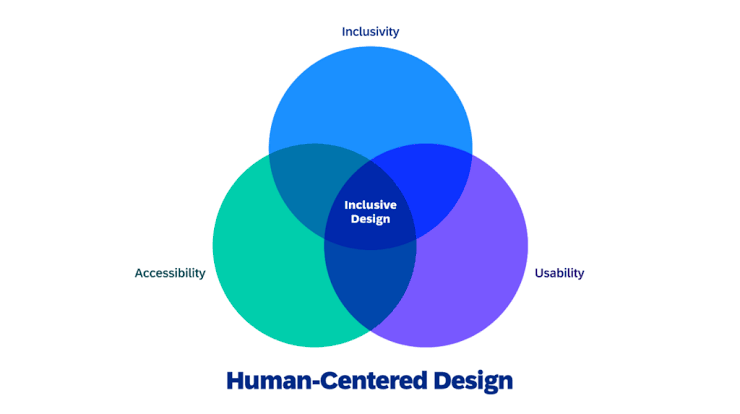
A successful user research project usually follows a structured process.
Step 1: Define Research Goals
Before starting research, it is important to identify what needs to be discovered.
Examples of research goals include:
- Understanding why users leave a website
- Discovering customer problems
- Testing a new product idea
- Improving an existing feature
Clear goals help researchers collect useful information.
Step 2: Identify Target Users
The next step is selecting the right participants. Research should focus on people who represent the actual users of the product.
Researchers consider factors such as:
- Age
- Location
- Experience level
- Interests
- Purchasing behavior
- Professional background
Step 3: Choose Research Methods
Different research goals require different methods. Researchers select techniques based on the type of information they need.
For example:
- Interviews for deep understanding
- Surveys for large-scale feedback
- Testing for usability problems
- Analytics for behavior tracking
Step 4: Collect Data
During this stage, researchers gather information from users through selected methods.
The quality of collected data depends on asking the right questions and choosing suitable participants.
Step 5: Analyze Findings
After collecting information, researchers identify important patterns and insights.
They look for:
- Common user problems
- Repeated behaviors
- Customer expectations
- Improvement opportunities
Step 6: Share Insights
The final step is presenting research findings to the team. These insights help designers, developers, and businesses make better decisions.
The Role of User Research in Product Design
User research is a foundation of modern product design. Designers use research findings to create interfaces and experiences that match user expectations.
Without research, designers may create products based on personal opinions. With research, they can understand real user behavior and create solutions that are practical and effective.
A user-focused design process usually includes:
- Understanding users
- Defining problems
- Creating solutions
- Testing designs
- Improving based on feedback
This approach leads to products that are easier to use and more valuable for customers.
Advanced User Research Methods and Practical Applications
Popular User Research Methods
User research includes many different techniques that help businesses understand their audience. Choosing the right method depends on the research goal, available resources, and type of product being studied.
1. User Interviews
User interviews are one of the most common and effective user research methods. They involve direct conversations between researchers and users to discover their experiences, opinions, and challenges.
During an interview, researchers usually ask open-ended questions such as:
- What problems do you face while using this product?
- How do you normally complete this task?
- What features are most valuable to you?
- What improvements would make your experience better?
The goal is not only to collect answers but also to understand the reasons behind user behavior.
Benefits of User Interviews
User interviews provide:
- Deep understanding of customer needs
- Personal experiences and emotions
- Information about hidden problems
- Ideas for product improvements
However, researchers must avoid leading questions that influence users’ answers. Good interviews allow users to freely explain their thoughts.
2. Surveys and Questionnaires
Surveys are useful when researchers need feedback from a large number of users. Unlike interviews, surveys can collect information from hundreds or thousands of people quickly.
A well-designed survey may include:
- Multiple-choice questions
- Rating scales
- Open-ended responses
- Demographic questions
For example, an online company may ask customers to rate their shopping experience from one to five stars and explain what could be improved.
Advantages of Surveys
Surveys help businesses:
- Collect large amounts of data
- Identify common trends
- Measure customer satisfaction
- Compare user preferences
The quality of survey results depends on creating clear and unbiased questions.
3. Usability Testing
Usability testing is a method where real users interact with a product while researchers observe their behavior.
The purpose is to discover whether users can complete tasks easily.
During usability testing, researchers may observe:
- Where users become confused
- Which steps take too long
- What mistakes users make
- Which features users ignore
For example, a company developing a banking application may ask users to complete tasks such as transferring money or checking account information.
If many users struggle with the same step, designers can improve that part of the application.
Why Usability Testing Matters
A product may look good to designers and developers, but actual users may experience difficulties. Usability testing reveals real problems before they affect thousands of customers.
4. User Observation
Observation research involves watching users perform tasks in their natural environment.
This method provides insights into actual behavior rather than only what users say.
For example, a researcher studying a grocery delivery application may observe how customers search for products, compare prices, and complete orders.
Observation helps identify:
- User habits
- Environmental factors
- Workarounds
- Unexpected challenges
Sometimes users are not aware of their own behaviors, making observation extremely valuable.
5. Card Sorting
Card sorting is a technique used to understand how users organize information.
Researchers provide users with cards containing different topics, features, or categories. Users arrange these cards in a way that makes sense to them.
This method is commonly used for:
- Website navigation
- App menus
- Content organization
Card sorting helps designers create structures that match user expectations.
6. Eye Tracking Research
Eye tracking technology studies where users look while interacting with a digital product.
It helps researchers understand:
- Which areas attract attention
- What information users notice first
- Which elements are ignored
Companies use eye tracking to improve website layouts, advertisements, and user interfaces.
User Research Tools
Modern researchers use many digital tools to collect and analyze user information.
Analytics Tools
Analytics platforms provide data about user behavior on websites and applications.
They help answer questions such as:
- Where do visitors come from?
- Which pages receive the most attention?
- Where do users leave?
- Which actions create conversions?
Analytics data helps businesses make decisions based on real user behavior.
Survey Tools
Online survey platforms make it easier to collect customer feedback.
Businesses use surveys to understand satisfaction levels, preferences, and opinions.
User Testing Platforms
User testing platforms allow researchers to watch real people interact with websites, applications, and prototypes.
These platforms provide valuable insights without requiring researchers to meet every participant physically.
Design Collaboration Tools
Design teams use collaboration platforms to share prototypes, collect feedback, and improve product designs.
These tools help connect researchers, designers, developers, and stakeholders.
Creating User Personas
A user persona is a fictional representation of an ideal customer based on real research data.
Personas help teams understand who they are designing for.
A typical user persona includes:
- Name
- Age range
- Occupation
- Goals
- Challenges
- Behaviors
- Technology preferences
- Buying motivations
For example:
Example User Persona
Name: Sarah
Age: 32
Occupation: Marketing Professional
Goals: Save time managing daily tasks
Challenges: Limited time and too many digital tools
Needs: Simple solutions with automation features
This persona helps teams create products that better match user expectations.
User Research and Customer Experience
Customer experience has become a major factor in business success. Customers expect companies to understand their needs and provide smooth interactions.
User research improves customer experience by identifying:
- What customers value
- What frustrates them
- What makes them return
- What causes them to leave
Businesses that understand their customers can create stronger relationships and increase loyalty.
How User Research Improves Business Results
User research is not only useful for designers. It creates benefits across an entire organization.
Better Product Decisions
Research provides evidence that helps companies decide which features to build and which problems to solve.
Instead of guessing, teams use real customer information.
Higher Customer Satisfaction
When products are designed around user needs, customers usually have better experiences.
Satisfied customers are more likely to recommend products and return in the future.
Increased Conversions
Understanding user behavior helps businesses improve sales processes.
For example, research may reveal that customers abandon purchases because checkout is complicated. Simplifying the process can increase completed orders.
Lower Development Costs
Finding problems early saves money. Fixing a design issue before launch is usually easier and cheaper than fixing it after thousands of users experience the problem.
Difference Between User Research and Market Research
Many people confuse user research with market research, but they focus on different areas.
User Research
User research focuses on:
- How people use products
- User problems
- User behavior
- Product experience
Market Research
Market research focuses on:
- Market size
- Competitors
- Industry trends
- Customer demand
Both types of research are valuable, but user research is specifically focused on improving the experience between users and products.
Skills Needed for a User Researcher

A successful user researcher needs a combination of technical and communication skills.
Important skills include:
Communication Skills
Researchers must communicate with users, teams, and stakeholders clearly.
Analytical Thinking
Researchers analyze information and identify meaningful patterns.
Empathy
Understanding users’ feelings and experiences is essential for creating useful solutions.
Problem Solving
Researchers need to transform user problems into practical recommendations.
Data Interpretation
Modern researchers often work with both qualitative and quantitative information.
The Future of User Research
As technology continues to evolve, user research is becoming even more important.
Companies are using advanced technologies such as artificial intelligence, automation, and behavioral analytics to understand users better.
Future user research trends include:
- AI-powered user analysis
- Real-time customer feedback
- Personalized experiences
- Voice and conversational research
- Predictive user behavior analysis
Businesses that continue investing in user research will have a stronger ability to adapt to changing customer expectations.
Frequently Asked Questions (FAQs) About User Research
1. What is user research?
User research is the process of studying users to understand their needs, behaviors, challenges, and expectations. It helps businesses create products and services that solve real problems. Through methods like interviews, surveys, and usability testing, companies collect valuable insights to improve user experience and make better decisions.
2. Why is user research important for businesses?
User research helps businesses understand customers before developing products or services. It reduces risks, improves user satisfaction, identifies customer problems, and helps create solutions that match user expectations. Companies that use user research can improve product quality, increase customer loyalty, and achieve better business results.
3. What are the main methods of user research?
The main methods of user research include user interviews, surveys, usability testing, observation studies, card sorting, and analytics analysis. Each method provides different insights about users. Researchers choose methods based on their goals, the type of product, and the information they need to collect.
4. What is the difference between user research and market research?
User research focuses on understanding how people interact with products, including their needs, behaviors, and experiences. Market research focuses on studying customers, competitors, industry trends, and market opportunities. Both are important, but user research mainly improves product design and user experience.
5. How does user research improve user experience?
User research improves user experience by identifying problems users face while interacting with a product. It helps designers create simpler, faster, and more useful solutions. By understanding user expectations and preferences, businesses can build products that are easier to use and more satisfying for customers.
Conclusion
User research is an essential process for creating successful products and improving customer experiences. It helps businesses understand users, solve real problems, and make informed decisions. By using effective research methods, companies can build valuable solutions, increase customer satisfaction, and achieve long-term growth in today’s competitive digital world.