
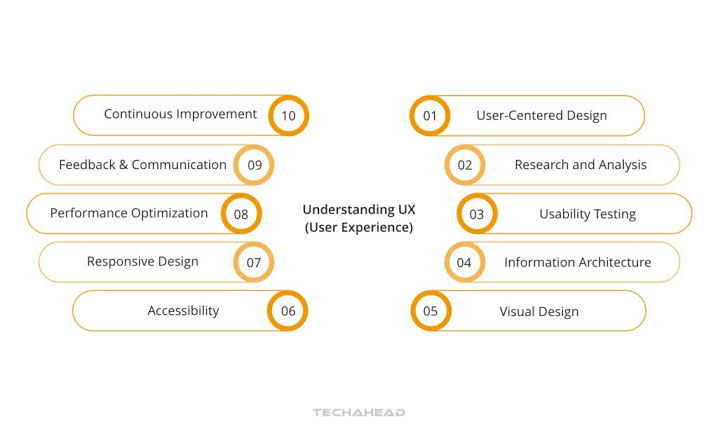
Introduction to User Experience
In today’s digital world, people interact with technology every day. From mobile applications and websites to online shopping platforms and smart devices, digital experiences have become an important part of modern life. Behind every successful digital product is a powerful concept called User Experience (UX).
User Experience focuses on how people feel, think, and interact when using a product, service, or digital platform. A good user experience makes technology simple, enjoyable, and useful, while a poor experience can frustrate users and drive them away.
Businesses around the world are investing more time and resources into improving user experience because customers no longer choose products only based on price or features. They also consider how easy, convenient, and enjoyable the experience is.
A website that loads quickly, an app that is easy to navigate, and a checkout process that takes only a few steps are all examples of effective user experience design. These small details can create a strong connection between users and brands.
This complete guide will explain what user experience means, why it is important, how UX design works, and how businesses can use better experiences to achieve long-term success.
What Is User Experience (UX)?
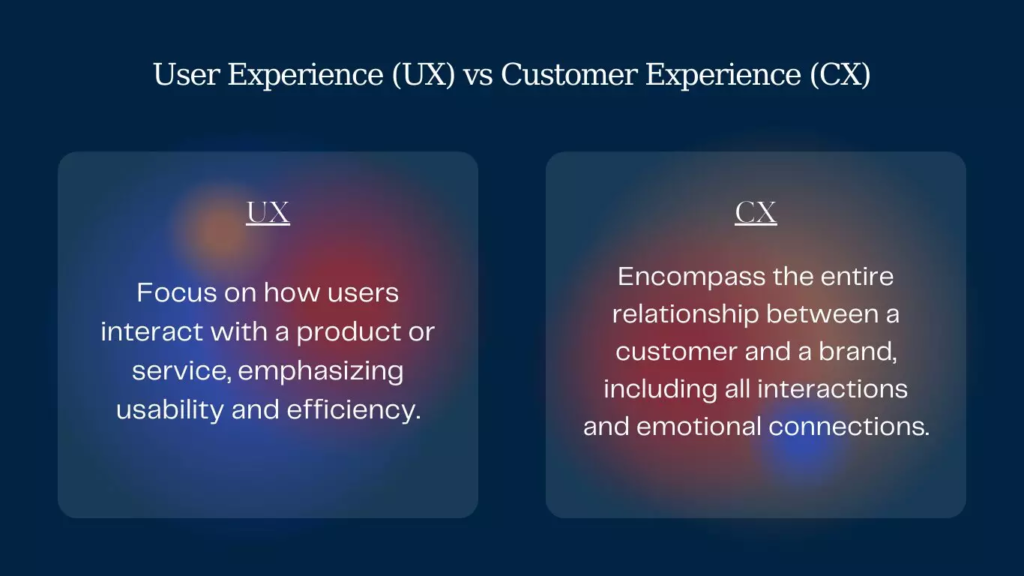
User Experience, commonly known as UX, refers to the overall experience a person has when interacting with a product, website, application, or service. It includes every part of the interaction, from the first impression to the final action.
Many people think UX is only about making things look attractive, but it is much more than visual design. User experience combines design, psychology, technology, research, and business strategy to create solutions that meet user needs.
For example, when someone visits an online store, their user experience is affected by:
- How quickly the website opens
- How easily they can find products
- Whether information is clear
- How simple the payment process is
- How they feel after completing a purchase
A successful user experience removes unnecessary difficulties and helps users achieve their goals smoothly.
The main purpose of UX is to create products that are:
- Easy to use
- Useful
- Accessible
- Efficient
- Enjoyable
- Valuable for users
A strong user experience does not happen by accident. It requires research, planning, testing, and continuous improvement.
Why User Experience Matters
User experience has become one of the most important factors for businesses because customer expectations are constantly increasing. People want fast, simple, and personalized experiences.
If a website is confusing or an application is difficult to use, users often leave and choose a competitor instead. This is why companies focus on creating better digital experiences.
1. Improves Customer Satisfaction
A positive user experience helps customers feel comfortable and confident. When users can easily complete tasks, they are more likely to return.
For example, a banking app with simple navigation allows customers to check balances, transfer money, and manage accounts without confusion. This creates trust and satisfaction.
2. Builds Brand Loyalty
A great experience creates emotional connections between users and brands. Customers remember companies that provide smooth and enjoyable interactions.
Brands that prioritize user experience often develop loyal customers who continue using their products and recommend them to others.
3. Increases Business Growth
Good UX design can directly impact business performance. When users have a better experience, they are more likely to:
- Make purchases
- Subscribe to services
- Spend more time on platforms
- Recommend products
A well-designed experience can improve conversion rates and increase revenue.
4. Reduces Development Problems
User research and testing help identify problems before a product is launched. This saves companies time and money because they can solve issues early in the design process.
The Difference Between UX and UI Design
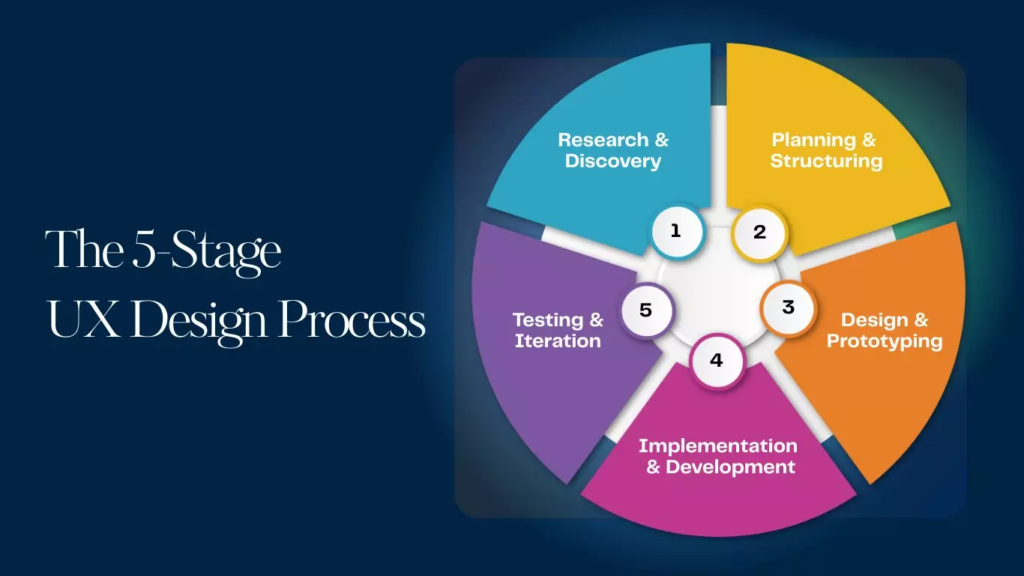
Many people use User Experience (UX) and User Interface (UI) as the same concept, but they are different.
User Experience (UX) focuses on the complete journey and interaction users have with a product.
User Interface (UI) focuses on the visual elements that users interact with, such as:
- Buttons
- Colors
- Typography
- Icons
- Layouts
A simple way to understand the difference:
UI is about how a product looks, while UX is about how a product works and feels.
For example, a mobile application may have a beautiful interface with attractive colors and modern graphics. However, if users cannot easily find important features, the overall user experience is poor.
Great digital products combine both strong UI design and effective UX principles.
The Evolution of User Experience
The idea of improving human interaction with tools and technology has existed for many years. However, the term “User Experience” became popular with the growth of digital products.
In the early days of computers, technology was mainly designed for technical experts. Interfaces were complicated and required specialized knowledge.
As technology became available to everyday users, designers started focusing more on simplicity and usability.
The growth of the internet, smartphones, and mobile applications changed the importance of UX even further. Today, users expect digital products to be fast, intuitive, and personalized.
Modern UX design combines:
- Human psychology
- Data analysis
- Design principles
- Technology
- User feedback
This approach helps create experiences that match real user expectations.
Core Principles, Research, and UX Design Process
Key Principles of User Experience Design
Creating a successful user experience requires following certain design principles. These principles help designers create products that are simple, useful, and enjoyable for users.
A good UX design is not only focused on appearance. It focuses on solving problems and creating meaningful interactions.
1. User-Centered Design
The most important principle of user experience is putting users at the center of the design process.
User-centered design means understanding:
- Who the users are
- What problems they face
- What goals they want to achieve
- How they interact with technology
Instead of designing based only on business assumptions, UX designers collect information from real users and create solutions based on their needs.
For example, when designing a fitness application, designers need to understand whether users want simple workout tracking, personalized plans, progress reports, or motivational features.
A product designed around user needs has a higher chance of success.
2. Simplicity and Ease of Use
One of the biggest goals of user experience design is making things simple.
Users do not want to spend time learning complicated systems. They expect websites and applications to work naturally.
Simple UX design includes:
- Clear navigation
- Easy-to-understand language
- Organized information
- Logical layouts
- Fewer unnecessary steps
A simple experience reduces frustration and helps users complete tasks faster.
For example, an online payment system with a short and clear checkout process creates a better experience compared to one requiring many confusing steps.
3. Consistency in Design
Consistency helps users understand how a product works.
When buttons, colors, icons, and layouts follow the same pattern throughout a website or application, users can navigate more easily.
Examples of consistency include:
- Similar button styles on different pages
- Same menu placement across screens
- Common design patterns
- Similar language and instructions
A consistent experience builds confidence because users know what to expect.
4. Accessibility
Accessibility is an important part of modern user experience design. A good digital product should be usable by people with different abilities.
Accessible design considers users who may have:
- Visual difficulties
- Hearing limitations
- Motor challenges
- Cognitive differences
Examples of accessibility features include:
- Text alternatives for images
- Clear color contrast
- Keyboard navigation
- Readable font sizes
- Captions for videos
Creating accessible experiences allows more people to benefit from digital products.
5. Feedback and Communication
Users need confirmation when they perform actions.
Good UX design provides clear feedback, such as:
- Successful payment messages
- Loading indicators
- Error explanations
- Confirmation notifications
Without feedback, users may become confused and wonder whether their action was completed.
For example, when uploading a file, a progress indicator helps users understand that the system is working.
Understanding User Research in UX
User research is one of the most important parts of user experience design. It helps designers understand real user behavior instead of making assumptions.
The purpose of user research is to discover:
- User problems
- User expectations
- User preferences
- User motivations
- User challenges
Research allows companies to create products that solve actual problems.
Types of User Research
1. User Interviews
User interviews involve talking directly with people who use or may use a product.
Designers ask questions to learn:
- What users like
- What difficulties they experience
- What improvements they want
Interviews provide detailed information about user thoughts and emotions.
2. Surveys
Surveys allow companies to collect feedback from a large number of users.
They are useful for understanding:
- Customer satisfaction
- Common problems
- User preferences
- Market trends
Online surveys are often used because they are quick and cost-effective.
3. User Testing
User testing involves observing real people while they use a product.
Designers analyze:
- Where users struggle
- Which features are confusing
- How quickly users complete tasks
This helps identify problems that designers may not notice themselves.
4. Analytics Research
Digital analytics provide information about user behavior.
Companies can analyze:
- Page visits
- Click patterns
- Conversion rates
- Time spent on pages
- User journeys
Data helps designers make better decisions based on actual behavior.
The UX Design Process
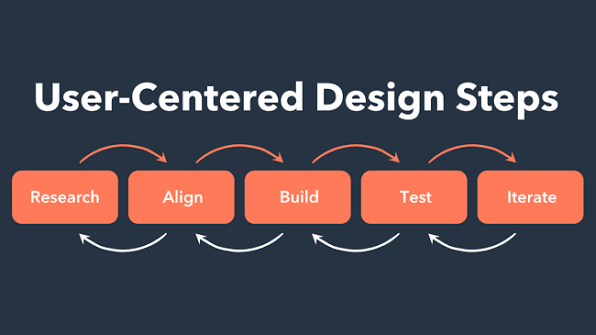
A successful user experience usually follows a structured design process.
The main stages include:
- Research
- Planning
- Design
- Testing
- Improvement
Research and Discovery
The first stage focuses on understanding users and business goals.
Designers collect information through:
- Interviews
- Surveys
- Competitor research
- Market analysis
- User behavior studies
The goal is to identify the main problems that need to be solved.
Frequently Asked Questions (FAQs) About User Experience (UX)
1. What is User Experience (UX)?
User Experience (UX) refers to the overall experience a person has when interacting with a website, mobile app, software, or digital product. It focuses on making products easy, useful, accessible, and enjoyable for users.
2. Why is User Experience important?
User Experience is important because it helps businesses create products that customers enjoy using. A good UX improves customer satisfaction, increases engagement, builds trust, and can improve sales and business growth.
3. What is the difference between UX and UI?
UX (User Experience) focuses on how a product works and how users feel while using it. UI (User Interface) focuses on the visual appearance of a product, including colors, buttons, layouts, and design elements.
Conclusion
User Experience (UX) has become a critical part of creating successful digital products and services. In a world where users have countless choices, businesses need to focus on providing simple, smooth, and meaningful experiences that meet customer expectations.
A strong user experience is not only about attractive designs or modern interfaces. It is about understanding users, solving their problems, and creating products that are easy, accessible, and enjoyable to use. Through proper research, testing, and continuous improvement, companies can build digital experiences that create trust and long-term relationships with their customers.