
Introduction
Risk is an unavoidable part of everyday life and business. Whether you are running a multinational corporation, managing a construction site, operating a small business, or planning a personal project, uncertainty is always present. Some risks have minor consequences, while others can result in severe financial losses, injuries, legal penalties, environmental damage, or reputational harm. This is why risk assessment has become one of the most valuable processes in modern organizations.
Risk assessment is a systematic method of identifying potential hazards, evaluating the likelihood that those hazards could cause harm, and determining appropriate control measures to reduce or eliminate risks. Instead of reacting to problems after they occur, organizations use risk assessment to anticipate challenges and make informed decisions before incidents happen.
In today’s rapidly changing world, businesses face increasingly complex threats. Cyberattacks, climate change, supply chain disruptions, economic uncertainty, workplace accidents, and regulatory changes all contribute to an environment where effective risk management is essential. Organizations that invest in structured risk assessment processes are better equipped to protect employees, assets, customers, and long-term profitability.
What Is Risk Assessment?
Every activity in life involves some level of uncertainty. Businesses make decisions without knowing exactly what the future will bring. Employees perform tasks that may involve hazards. Organizations invest money, technology, and resources while facing possible threats. The process that helps people understand, measure, and control these uncertainties is known as risk assessment.
Risk assessment is a structured approach used to identify possible dangers, analyze their potential impact, and decide what actions should be taken to reduce negative outcomes. It allows individuals and organizations to move from a reactive approach—where problems are handled after they occur—to a proactive approach, where risks are recognized and managed before they create damage.
A professional risk assessment does not aim to remove every possible risk because complete elimination is rarely possible. Instead, it focuses on understanding risks and reducing them to an acceptable level through proper planning, controls, and continuous improvement.
For example, a construction company cannot completely remove every danger from a building site. However, through risk assessment, the company can identify hazards such as falling objects, unsafe equipment, electrical problems, and poor working conditions. After identifying these risks, management can introduce safety procedures, protective equipment, employee training, and regular inspections.
This simple example demonstrates the core purpose of risk assessment: finding problems before they become serious incidents.
Why Is Risk Assessment Important?
Risk assessment plays a critical role in protecting people, businesses, and assets. Without proper assessment, organizations often make decisions based on assumptions rather than evidence. This can lead to accidents, financial losses, operational failures, and damaged reputations.
1. Protecting Employees and Workplace Safety
One of the most important purposes of risk assessment is protecting workers. Every workplace contains potential hazards, including physical dangers, chemical exposure, ergonomic problems, and psychological stress.
By conducting regular assessments, employers can identify unsafe conditions and introduce measures to protect employees. A safer workplace usually results in fewer accidents, improved employee confidence, and higher productivity.
2. Reducing Financial Losses
Unexpected events can create significant financial damage. Equipment failures, security breaches, legal claims, supply chain problems, and operational interruptions can cost organizations millions of dollars.
Risk assessment helps companies understand possible financial threats and prepare strategies to minimize losses. Preventing a problem is often much less expensive than repairing the damage afterward.
3. Supporting Better Decision-Making
Good decisions require reliable information. Risk assessment provides organizations with valuable insights into possible challenges and opportunities.
Before launching a new product, entering a new market, or investing in technology, companies can evaluate potential risks and determine whether the decision is reasonable.
4. Meeting Legal and Regulatory Requirements
Many industries require organizations to perform risk assessments to comply with laws and regulations. Workplace safety authorities, financial regulators, healthcare organizations, and environmental agencies often require documented risk management processes.
Failure to conduct proper assessments can result in penalties, lawsuits, and operational restrictions.
5. Improving Business Continuity
Modern organizations face many unexpected disruptions, including cyberattacks, natural disasters, economic changes, and global events.
Risk assessment helps businesses create emergency plans and maintain operations during difficult situations. Companies that understand their risks are usually better prepared for uncertainty.
Understanding the Concept of Risk
Definition of Risk
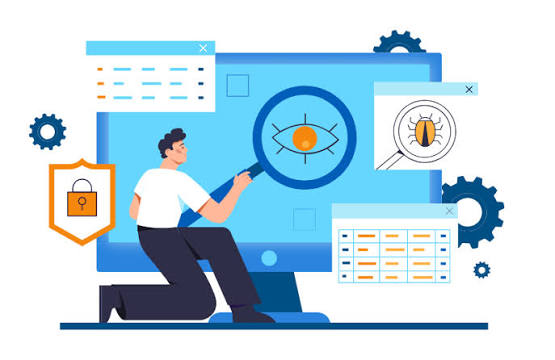
Risk refers to the possibility that an uncertain event may occur and negatively affect objectives, people, assets, or operations.
A risk usually contains two main elements:
- Likelihood – The possibility that an event will happen.
- Impact – The level of damage or consequence if the event occurs.
A simple risk formula is:
Risk = Likelihood × Impact
For example:
- A minor equipment failure that happens frequently may represent a medium-level risk.
- A rare cyberattack that could shut down an entire company may represent a high-level risk.
Understanding both likelihood and impact allows organizations to prioritize their attention and resources.
Difference Between Hazard and Risk
Many people use the terms “hazard” and “risk” interchangeably, but they have different meanings.
Hazard
A hazard is something that has the potential to cause harm.
Examples:
- Chemicals
- Unsafe machinery
- Electrical equipment
- Slippery floors
- Cyber vulnerabilities
Risk
Risk is the possibility that the hazard will actually cause harm and how serious the consequences may be.
Example:
A wet floor is a hazard because it can cause someone to fall.
The risk depends on:
- How likely someone is to walk on it
- How severe the injury could be
- Whether warning signs or controls exist
The Risk Assessment Process
A successful risk assessment follows a structured process that helps organizations identify dangers, understand their possible consequences, and implement effective controls. Although different industries may use different methods, the basic steps remain similar.
The risk assessment process generally includes five major stages:
- Risk identification
- Risk analysis
- Risk evaluation
- Risk control and treatment
- Monitoring and review
Each stage plays an important role in creating a safer and more reliable environment.
Risk Identification
Risk identification is the first and most important stage of the risk assessment process. If a risk is not identified, it cannot be managed.
During this stage, organizations search for possible threats, hazards, weaknesses, and situations that could negatively affect their goals.
The purpose is to answer questions such as:
- What could go wrong?
- How could it happen?
- Who or what could be affected?
- Why might this risk occur?
- What conditions could increase the possibility of harm?
A detailed risk identification process helps organizations create a complete picture of potential problems.
Methods Used for Risk Identification
There are many techniques used to identify risks. The best method depends on the industry, environment, and objectives.
1. Workplace Inspections
Physical inspections are commonly used in workplaces such as factories, construction sites, warehouses, and offices.
Inspectors look for:
- Unsafe equipment
- Poor maintenance
- Fire hazards
- Unsafe employee behavior
- Environmental problems
- Emergency issues
Regular inspections help discover problems before accidents happen.
2. Employee Interviews
Employees often have valuable knowledge about risks because they experience daily operations directly.
Workers may identify issues such as:
- Difficult procedures
- Equipment problems
- Unsafe practices
- Areas where accidents could occur
Encouraging employee participation improves the quality of risk assessments.
3. Reviewing Historical Data
Past incidents provide important information about future risks.
Organizations can analyze:
- Accident reports
- Customer complaints
- Equipment failures
- Security incidents
- Financial losses
Patterns from previous events can reveal risks that require attention.
4. Brainstorming Sessions
Teams often conduct brainstorming meetings to identify possible risks.
Participants from different departments can provide different perspectives, including:
- Management
- Employees
- Technical specialists
- Safety professionals
- External experts
A diverse team usually discovers more potential risks.
5. Risk Assessment Checklists
Checklists are practical tools that help organizations review common risks systematically.
Examples include:
- Workplace safety checklists
- Cybersecurity checklists
- Environmental inspection lists
- Quality control checklists
They help ensure important areas are not overlooked.
Risk Analysis
After identifying risks, the next step is analyzing them.
Risk analysis determines:
- How likely the risk is to occur
- How serious the consequences could be
- How frequently exposure happens
- Existing controls that may reduce the risk
The goal is to understand the level of risk before deciding what action is needed.
Qualitative Risk Analysis
Qualitative analysis evaluates risks using descriptions rather than numerical values.
Common ratings include:
- Low risk
- Medium risk
- High risk
- Critical risk
Example:
A company identifies a possibility of data theft.
Likelihood:
Medium
Impact:
High
Overall Risk:
High
This approach is simple and useful for many organizations.
Quantitative Risk Analysis
Quantitative analysis uses numbers and financial measurements to calculate risk.
Examples include:
- Expected financial loss
- Probability percentages
- Statistical models
- Cost-benefit analysis
Example:
A company estimates:
- 10% chance of a cyberattack
- Possible loss of $500,000
The expected risk value can be calculated:
10% × $500,000 = $50,000 expected loss
Quantitative analysis is commonly used in finance, insurance, engineering, and large projects.
Risk Evaluation
Risk evaluation involves comparing analyzed risks against acceptable levels.
Organizations decide:
- Which risks require immediate action?
- Which risks can be monitored?
- Which risks are acceptable?
Not every risk requires the same level of response.
For example:
A small office may consider a minor equipment issue a low priority, while a hospital may consider the same issue highly serious because it could affect patient safety.
Risk evaluation helps organizations focus their resources where they matter most.
Understanding Risk Levels
Low Risk
Low risks usually have:
- Low probability
- Minor consequences
- Existing controls
Example:
A small office supply shortage.
Action:
Monitor and manage normally.
Medium Risk
Medium risks may create noticeable problems but can usually be controlled.
Example:
A temporary technology failure.
Action:
Improve controls and prepare response plans.
High Risk
High risks require immediate attention because they can cause serious harm.
Examples:
- Major security weaknesses
- Workplace safety hazards
- Critical equipment failures
Action:
Implement strong control measures quickly.
Critical Risk
Critical risks can threaten lives, business survival, or major assets.
Examples:
- Large-scale cyberattacks
- Industrial disasters
- Severe environmental incidents
Action:
Immediate intervention and emergency planning are required.
Risk Control and Treatment
After evaluating risks, organizations must decide how to handle them.
There are several common risk treatment strategies.
Risk Avoidance
Risk avoidance means removing the activity that creates the risk.
Example:
A company decides not to use outdated software because of security concerns.
Risk Reduction
Risk reduction focuses on lowering the likelihood or impact of a risk.
Examples:
- Employee training
- Safety equipment
- Security updates
- Regular maintenance
Risk Transfer
Risk transfer means moving responsibility for a risk to another party.
Examples:
- Insurance policies
- Outsourcing agreements
- Service contracts
The risk does not disappear, but financial responsibility may be transferred.
Risk Acceptance
Some risks may be accepted when the cost of eliminating them is higher than the possible damage.
Example:
A small business may accept minor operational delays because fixing them completely would be too expensive.
Monitoring and Review
Risk assessment is not a one-time activity. Risks change over time because of:
- New technology
- Market conditions
- Employee changes
- Regulations
- Economic situations
- Environmental factors
Organizations should regularly review their assessments to ensure controls remain effective.
A strong monitoring system asks:
- Are risk controls working?
- Have new risks appeared?
- Has the level of risk changed?
- Are improvements needed?
Continuous improvement is a key part of successful risk management.
Principles of Effective Risk Assessment
A high-quality risk assessment follows several important principles.
1. Be Systematic
Risk assessment should follow a clear and organized method rather than random decisions.
2. Use Reliable Information
Good assessments depend on accurate data, experience, and evidence.
3. Include Relevant People
Employees, managers, and specialists should contribute their knowledge.
4. Focus on Real Risks
The assessment should prioritize risks that can genuinely affect objectives.
5. Review Regularly
Changing environments require updated assessments.
Conclusion
Risk assessment helps individuals and organizations identify potential problems, reduce dangers, and make better decisions. By analyzing risks and applying proper controls, businesses can improve safety, protect resources, and prepare for uncertainty. A strong risk assessment process creates a safer, more reliable, and successful future.