
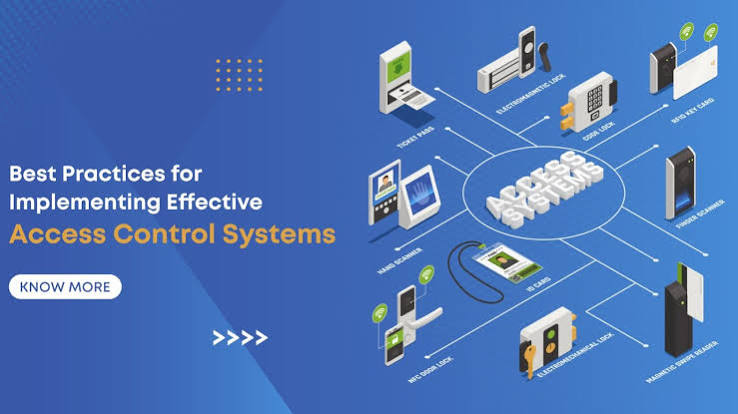
Introduction: What Is Access Control?
In today’s digital and physical world, security has become one of the biggest concerns for businesses, organizations, and individuals. Whether it is protecting a corporate office, securing sensitive information, managing employees, or controlling entry into restricted areas, access control plays a vital role in maintaining safety and privacy.
Access Control is a security method that determines who is allowed to access a specific resource, location, system, or information. It ensures that only authorized users can enter certain areas or use particular services while preventing unauthorized access.
From traditional keys and locks to advanced biometric systems and cloud-based security solutions, access control technology has evolved significantly. Modern organizations rely on access control systems to improve security, increase efficiency, monitor activities, and reduce security risks.
This complete guide explains everything you need to know about access control, including its meaning, types, working process, benefits, applications, technologies, and future developments.
Understanding Access Control
Access control is a security framework that manages permissions and restrictions. It answers a simple but important question:
“Who can access what, and under which conditions?”
Every organization has valuable assets that need protection. These assets may include:
- Buildings and offices
- Computers and networks
- Customer information
- Financial records
- Private documents
- Industrial equipment
- Cloud applications
Without proper access control, unauthorized individuals may gain access to sensitive areas or information, creating security threats.
An effective access control system verifies user identity, checks permission levels, and allows or denies access based on predefined rules.
How Does Access Control Work?
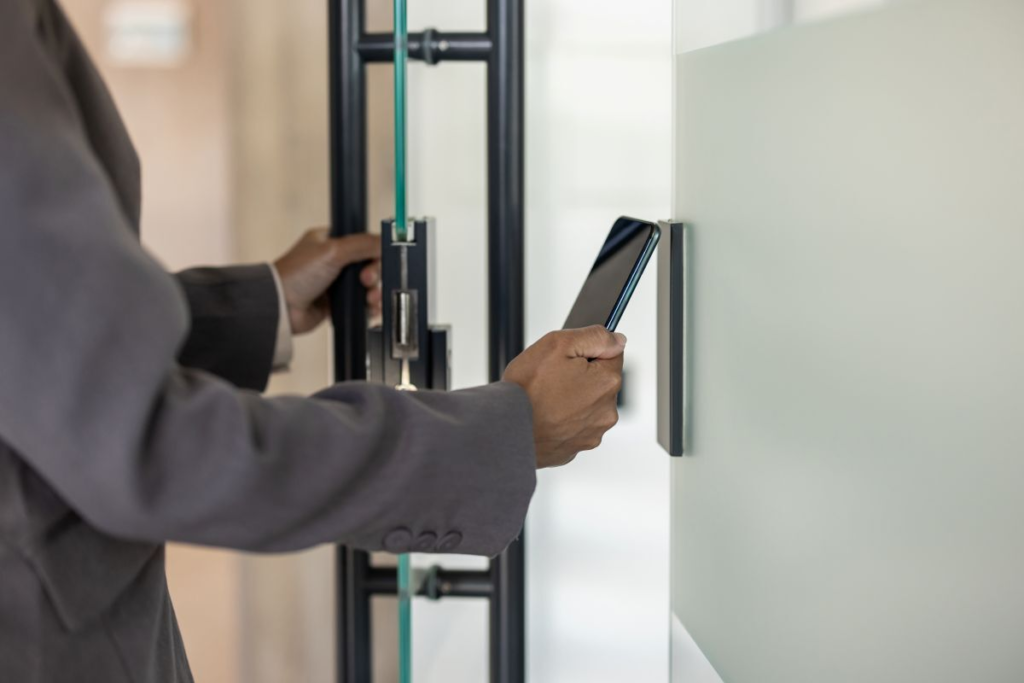
Most access control systems work through three major steps:
1. Identification
The first step is identifying the person or device requesting access.
Examples include:
- Username and password
- Employee ID card
- Fingerprint scan
- Facial recognition
- Mobile authentication
- Smart devices
Identification tells the system who the user claims to be.
2. Authentication
Authentication verifies whether the identity is genuine.
For example:
- A password is checked against stored records.
- A fingerprint is compared with registered biometric data.
- A security card is validated through an access reader.
If the information matches, the system moves to the next step.
3. Authorization
Authorization decides what the user is allowed to access.
For example:
- An employee may enter the main office but not the server room.
- A manager may access financial reports.
- A visitor may only enter public areas.
Authorization ensures users receive only the permissions they need.
Types of Access Control Systems
Access control systems can be divided into different categories depending on their technology and purpose.
Physical Access Control
Physical access control protects buildings, rooms, and restricted areas.
Common examples include:
- Door access systems
- Security gates
- Key card systems
- Electronic locks
- Turnstiles
- Security checkpoints
Businesses use physical access control to prevent unauthorized people from entering protected locations.
Logical Access Control
Logical access control protects digital resources such as computers, applications, and databases.
Examples include:
- Computer login systems
- Network permissions
- Cloud access management
- Database security controls
It helps organizations protect confidential information from cyber threats.
Common Access Control Models
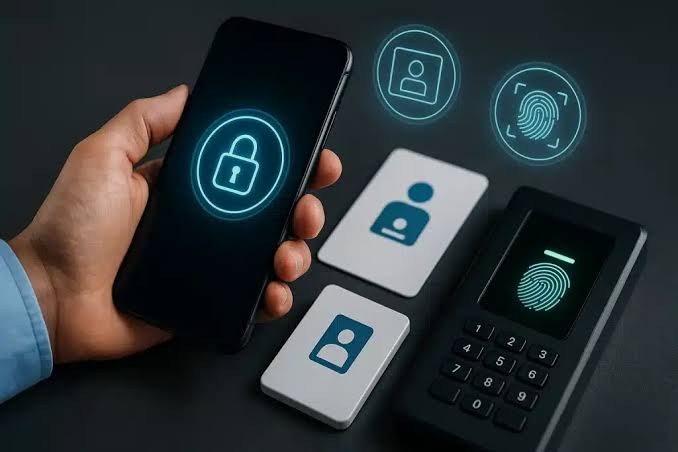
Different organizations use different access control models based on their security requirements.
Role-Based Access Control (RBAC)
Role-Based Access Control gives permissions according to a person’s job role.
For example:
- An accountant receives access to financial software.
- An HR employee accesses employee records.
- A security officer manages building access.
RBAC is widely used because it simplifies permission management.
Attribute-Based Access Control (ABAC)
Attribute-Based Access Control makes decisions using multiple factors.
These factors may include:
- User department
- Location
- Time of access
- Device type
- Security level
ABAC provides more flexible and detailed control.
Mandatory Access Control (MAC)
Mandatory Access Control is commonly used in government and high-security environments.
Access permissions are controlled by strict security policies, and users cannot change their own access levels.
Discretionary Access Control (DAC)
Discretionary Access Control allows resource owners to decide who can access their files or systems.
It is commonly used in personal computers and small organizations.
Why Is Access Control Important?
Access control is essential because modern security threats are increasing every year. Organizations must protect both physical and digital assets from unauthorized access.
Some major reasons why access control is important include:
Improved Security
Access control reduces the chances of unauthorized entry and protects valuable resources.
Protection of Sensitive Data
Businesses store large amounts of confidential information. Access control prevents unauthorized users from viewing or modifying important data.
Better Monitoring
Modern access control systems record user activities, helping organizations track who accessed specific areas or information.
Increased Efficiency
Automated access control reduces the need for manual security checks and improves daily operations.
Compliance Support
Many industries require strict security measures to meet legal and regulatory requirements.
Access Control in Modern Businesses
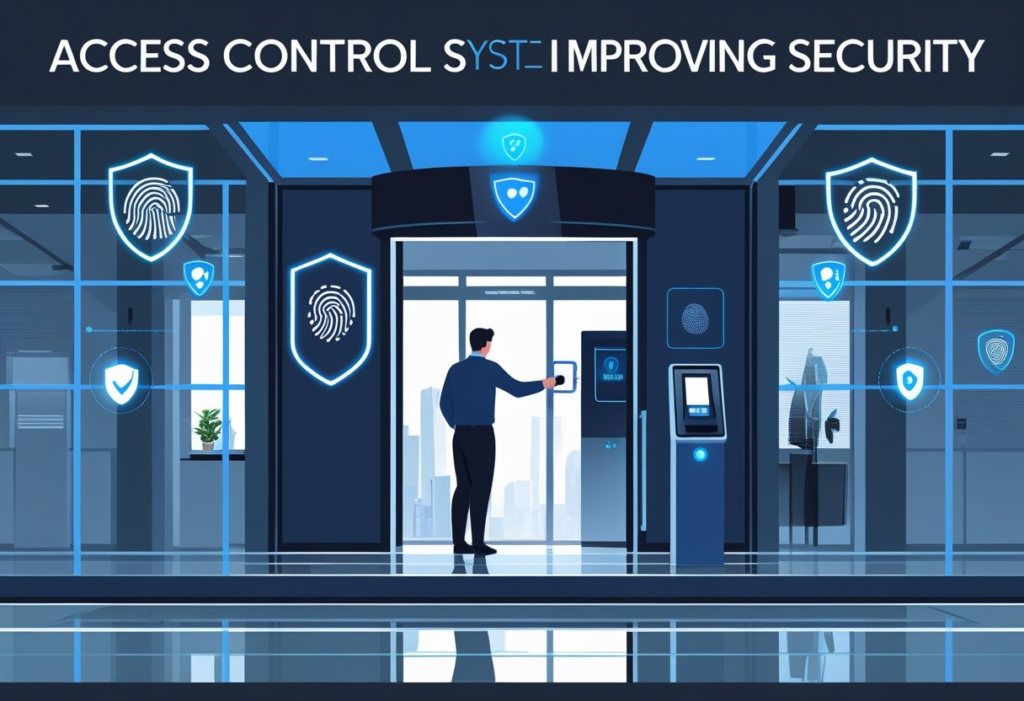
Businesses of all sizes use access control systems to protect employees, customers, and company assets.
Common industries using access control include:
- Healthcare
- Banking
- Education
- Manufacturing
- Government organizations
- Technology companies
- Retail businesses
For example, hospitals use access control to protect patient information and restricted medical areas. Banks use advanced security systems to protect financial data and customer accounts.
Frequently Asked Questions (FAQs) About Access Control
1. What is access control?
Access control is a security system that manages and restricts who can access specific resources, locations, devices, or information. It ensures that only authorized individuals can enter restricted areas or use protected systems.
2. Why is access control important for businesses?
Access control helps businesses protect valuable assets, prevent unauthorized access, secure confidential information, and improve overall security management. It also helps organizations monitor user activities and maintain safety standards.
3. What are the main types of access control?
The main types of access control include physical access control, logical access control, role-based access control (RBAC), attribute-based access control (ABAC), mandatory access control (MAC), and discretionary access control (DAC).
4. How does an access control system work?
An access control system works through three main steps: identification, authentication, and authorization. The system identifies the user, verifies their identity, and then grants or denies access based on permissions.
5. What is biometric access control?
Biometric access control uses unique biological characteristics to verify a person’s identity. Common examples include fingerprint scanning, facial recognition, iris scanning, and voice recognition.
6. Can access control systems improve workplace security?
Yes, access control systems improve workplace security by limiting entry to authorized employees, tracking movements, reducing security risks, and protecting sensitive areas.
7. What is cloud-based access control?
Cloud-based access control is a modern security solution that allows organizations to manage access systems through online platforms. It provides remote management, automatic updates, and easier scalability.
8. Is access control only used for large companies?
No, access control can be used by businesses of all sizes, schools, healthcare facilities, residential buildings, and individuals who want better security and protection.
9. What is the difference between authentication and authorization?
Authentication verifies who a person is, while authorization determines what that person is allowed to access. Both processes work together to provide secure access management.
10. What is the future of access control technology?
The future of access control includes artificial intelligence, advanced biometrics, mobile authentication, smart devices, and cloud-based security systems that provide faster and more intelligent protection.
Conclusion: The Growing Importance of Access Control in Modern Security
Access control has become one of the most important security solutions in today’s rapidly changing world. As businesses, organizations, and individuals continue to depend on digital systems and advanced technologies, protecting valuable assets and sensitive information has become a major priority. Access control provides a reliable way to manage permissions, prevent unauthorized access, and create a safer environment.
Traditional security methods such as physical keys and manual verification are no longer enough to handle modern security challenges. Advanced access control systems now offer powerful features such as biometric authentication, smart cards, mobile access, cloud management, and real-time monitoring. These technologies allow organizations to control access more effectively while improving convenience and operational efficiency.
One of the biggest advantages of access control is its ability to provide customized security. Every organization has different requirements, and modern systems can be designed according to specific needs. Whether it is a small business protecting its office, a hospital securing patient information, or a large corporation managing thousands of employees, access control solutions can provide the right level of protection.