

Product Strategy: The Complete Guide
In today’s highly competitive business environment, creating a great product is no longer enough. Thousands of new products enter the market every year, but only a small percentage achieve long-term success. The difference between products that thrive and those that disappear is often a well-defined product strategy.
A product strategy acts as the foundation for every decision made during a product’s life cycle. It helps businesses understand customer needs, identify market opportunities, prioritize features, allocate resources effectively, and create products that deliver real value.
Whether you are a startup founder, entrepreneur, product manager, software developer, marketer, or business owner, understanding product strategy is essential for sustainable growth.
This comprehensive guide explores every aspect of product strategy, from basic concepts to advanced frameworks used by leading companies worldwide.
What Is Product Strategy?
A product strategy is a long-term plan that defines how a product will achieve business objectives while solving customer problems.
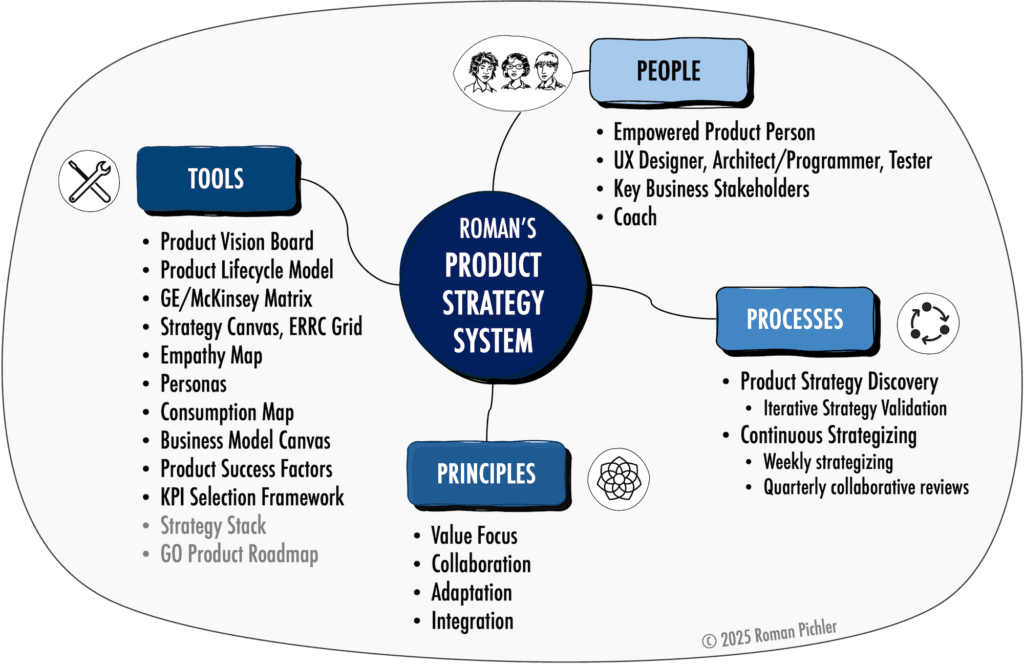
Instead of focusing only on features, product strategy focuses on delivering value.
It answers important questions such as:
- Who are our customers?
- What problems do they face?
- How does our product solve those problems?
- Why should customers choose us over competitors?
- What business goals will the product achieve?
- How will the product evolve over time?
A clear strategy ensures that every team—including product management, engineering, marketing, sales, and customer support—works toward the same objectives.
Why Product Strategy Matters
Many companies fail because they build products that customers do not actually need.
Without a clear strategy:
- Teams build unnecessary features.
- Budgets are wasted.
- Customers become confused.
- Marketing messages lack clarity.
- Product development becomes inconsistent.
- Growth slows dramatically.
A strong product strategy provides direction.
Benefits include:
- Better decision-making
- Higher customer satisfaction
- Increased revenue
- Stronger market positioning
- Faster innovation
- Improved collaboration across teams
- Better product-market fit
- Sustainable long-term growth
The Purpose of Product Strategy
Every successful product serves a meaningful purpose.
The purpose is not simply selling products.
Instead, it includes:
- Solving customer problems
- Creating measurable value
- Supporting business goals
- Building customer loyalty
- Establishing competitive advantages
- Driving long-term profitability
A product without purpose rarely survives in competitive markets.
Product Strategy vs Product Vision
Many people confuse product vision with product strategy.
They are related but different.
Product Vision
The vision describes the future.
It explains where the product is heading.
Example:
“To become the world’s most trusted online learning platform.”
The vision inspires teams.
Product Strategy
The strategy explains how the company will achieve that vision.
It includes:
- Market research
- Customer targeting
- Feature prioritization
- Pricing
- Marketing
- Growth planning
The vision defines the destination.
The strategy defines the journey.
Product Strategy vs Product Roadmap
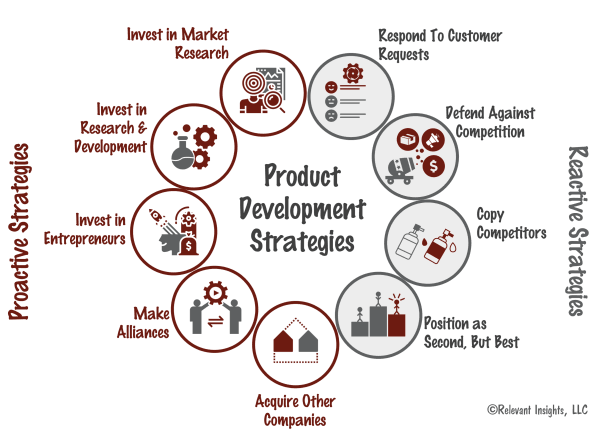
Another common misunderstanding involves the product roadmap.
A roadmap is not a strategy.
A roadmap is a timeline of planned work.
For example:
Quarter 1
- Customer research
- Mobile app redesign
Quarter 2
- AI recommendations
- Payment integration
Quarter 3
- Analytics dashboard
The roadmap changes frequently.
The strategy remains relatively stable.
Characteristics of a Great Product Strategy
Successful product strategies usually have several characteristics.
1. Customer-Centric
Everything begins with customer needs.
Instead of asking:
“What features can we build?”
Successful companies ask:
“What problems can we solve?”
2. Clear Vision
Everyone understands the product’s purpose.
There is no confusion regarding priorities.
3. Market Focus
A strong strategy identifies:
- Market trends
- Customer behavior
- Competitors
- Opportunities
- Threats
4. Measurable Goals
Goals should include measurable outcomes.
Examples:
- Increase customer retention by 25%.
- Reach one million users.
- Reduce churn by 15%.
- Improve conversion rate by 10%.
5. Flexibility
Markets evolve constantly.
Customer preferences change.
Technology changes.
A successful strategy adapts without losing its long-term direction.
Key Components of Product Strategy
Every product strategy contains several essential components.
Product Vision
The long-term aspiration.
Target Market
The audience the product serves.
Examples include:
- Students
- Freelancers
- Healthcare organizations
- Small businesses
- Large enterprises
Customer Problems
Every successful product solves meaningful problems.
For example:
A project management platform may solve:
- Missed deadlines
- Poor collaboration
- Task organization
- Communication gaps
Unique Value Proposition
Why should customers choose your product?
Examples:
- Faster performance
- Lower pricing
- Better customer support
- Advanced AI features
- Easier usability
Business Objectives
Examples include:
- Increase revenue
- Expand globally
- Improve customer retention
- Enter new markets
- Build recurring subscriptions
Understanding Your Target Audience
A product cannot serve everyone.
Trying to satisfy every customer usually leads to failure.
Instead, successful companies identify their ideal customers.
Questions to consider include:
- Who are they?
- What industries do they work in?
- What challenges do they face?
- What motivates them?
- How do they make purchasing decisions?
The better you understand your audience, the more effective your product strategy becomes.
Creating Customer Personas
A customer persona is a fictional representation of your ideal customer.
Example:
Name: Sarah
Age: 31
Profession: Marketing Manager
Goals:
- Improve productivity
- Save time
- Automate repetitive tasks
Challenges:
- Tight deadlines
- Limited budget
- Multiple software tools
Personas help teams design products that genuinely meet user needs.
Understanding Customer Pain Points
Pain points are the problems customers experience.
Common categories include:
Financial Pain Points
Customers want lower costs.
Productivity Pain Points
Customers want faster workflows.
Process Pain Points
Customers struggle with inefficient systems.
Support Pain Points
Customers expect better service and quicker responses.
Addressing these pain points creates stronger products and happier customers.
Market Research
Market research reduces uncertainty and helps businesses make informed decisions.
It involves gathering data about:
- Industry trends
- Customer preferences
- Market size
- Competitors
- Pricing
- Emerging technologies
Methods include:
- Surveys
- Customer interviews
- Focus groups
- Online analytics
- Social media listening
- Competitor analysis
Companies that invest in research are more likely to build products customers actually want.
Competitive Analysis
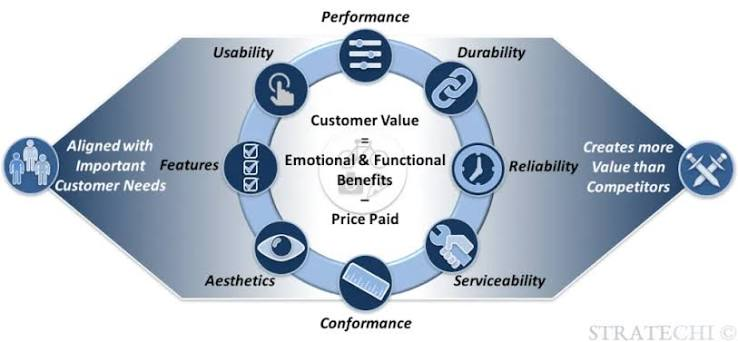
Understanding competitors is essential for shaping your product strategy.
Analyze competitors based on:
- Product features
- Pricing models
- Customer reviews
- Marketing approach
- User experience
- Brand positioning
- Customer support
Rather than copying competitors, identify gaps where your product can offer unique value.
Product-Market Fit
One of the most important goals of any product strategy is achieving product-market fit.
This occurs when a product satisfies a strong market demand and customers actively choose it over alternatives.
Signs of product-market fit include:
- High customer satisfaction
- Positive reviews
- Strong user retention
- Organic referrals
- Consistent revenue growth
- Increasing demand
Without product-market fit, even the best marketing campaigns are unlikely to succeed.
Frequently Asked Questions (FAQs)
1. What is a product strategy?
A product strategy is a long-term plan that outlines how a product will achieve business goals while solving customer problems. It helps guide product development, marketing, and growth efforts.
2. Why is product strategy important?
Product strategy ensures that every product decision aligns with customer needs and business objectives. It helps companies prioritize features, allocate resources efficiently, and stay competitive in the market.
3. What are the key components of a product strategy?
The main components include product vision, target audience, market research, customer needs, competitive analysis, unique value proposition, business goals, pricing strategy, and product roadmap.
4. How is a product strategy different from a product roadmap?
A product strategy defines the long-term vision and direction of a product, while a product roadmap is a tactical plan that outlines the features, updates, and milestones needed to execute that strategy.
5. Who is responsible for creating a product strategy?
Product managers typically lead the product strategy process, but it is developed through collaboration with executives, engineers, designers, marketers, sales teams, and customer support professionals.
6. How often should a product strategy be updated?
A product strategy should be reviewed regularly, especially when customer needs, market conditions, or business goals change. Many organizations evaluate their strategy quarterly or annually.
7. What is product-market fit?
Product-market fit occurs when a product successfully meets customer needs and generates consistent demand. It is often reflected in strong customer satisfaction, retention, and steady business growth.
Conclusion
A successful product strategy is more than just a plan—it is the foundation that guides every stage of a product’s journey, from idea generation to long-term growth. By understanding customer needs, analyzing market trends, defining a clear vision, and setting measurable goals, businesses can create products that stand out in competitive markets. A strong strategy also helps teams prioritize the right features, make informed decisions, and adapt to changing customer expectations. Whether you are launching a new product or improving an existing one, investing in a well-defined product strategy increases the chances of achieving product-market fit, customer satisfaction, and sustainable business success. Continuously reviewing and refining your strategy ensures your product remains relevant, competitive, and capable of delivering lasting value to both customers and the business.