
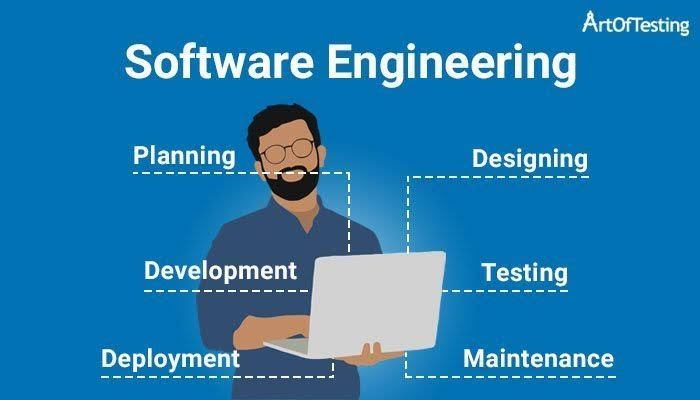
Introduction to Software Engineering
Software engineering has become one of the most important fields in the modern digital world. Almost every technology we use today depends on software, from mobile applications and websites to artificial intelligence systems, banking platforms, healthcare solutions, and business management tools.
The demand for skilled software engineers continues to grow because organizations around the world need reliable, secure, and efficient software solutions. Software engineering is not only about writing code; it is a complete discipline that involves designing, developing, testing, maintaining, and improving software systems.
A professional software engineer combines technical knowledge, problem-solving skills, creativity, and logical thinking to create software that solves real-world problems.
In today’s connected world, software engineering plays a critical role in shaping how people communicate, work, learn, shop, and entertain themselves. Understanding this field can open doors to exciting career opportunities and help individuals participate in the future of technology.
What Is Software Engineering?

Software engineering is the process of applying engineering principles, methods, and practices to the development of software applications and systems. It focuses on creating software that is reliable, scalable, secure, maintainable, and efficient.
Unlike simple programming, software engineering involves a complete software development process. A programmer may write code for a specific task, but a software engineer thinks about the entire lifecycle of a software product.
This includes:
- Understanding user requirements
- Planning software architecture
- Designing solutions
- Writing and reviewing code
- Testing software quality
- Fixing errors
- Managing updates
- Improving performance
- Ensuring security
Software engineering combines computer science, mathematics, project management, and creative problem-solving to produce high-quality software.
Why Is Software Engineering Important?
Software has become the backbone of modern society. Businesses, governments, schools, hospitals, and individuals depend on software every day.
Some major reasons why software engineering is important include:
1. Creating Reliable Software Systems
Poorly designed software can cause serious problems. Errors in financial applications, healthcare systems, or transportation software can lead to significant losses.
Software engineers use professional development methods to create systems that work correctly and safely.
2. Supporting Digital Transformation
Companies are moving from traditional processes to digital platforms. Software engineers help businesses create websites, mobile applications, cloud systems, and automation tools.
3. Improving Efficiency
Software solutions help organizations save time and reduce costs by automating repetitive tasks and improving productivity.
4. Protecting Data and Privacy
Cybersecurity has become a major concern. Software engineers design secure applications that protect sensitive information from unauthorized access.
History of Software Engineering

The history of software engineering is connected with the growth of computers. In the early days of computing, software development was often considered a simple programming activity.
During the 1960s, software projects became more complex. Many projects experienced delays, high costs, and failures. This situation became known as the “software crisis.”
To solve these challenges, engineers introduced structured methods for software development. The term “software engineering” became popular after conferences organized by computer scientists in the late 1960s.
Over the decades, software engineering evolved through different approaches, including:
- Waterfall development
- Object-oriented programming
- Agile methodologies
- DevOps practices
- Cloud-based development
- Artificial intelligence-assisted programming
Today, software engineering is one of the fastest-growing technology fields worldwide.
Difference Between Programming and Software Engineering
Many people think programming and software engineering are the same, but there are important differences.
Programming
Programming mainly focuses on writing instructions that computers can understand. A programmer creates code to perform specific tasks.
Software Engineering
Software engineering covers the complete process of building software products. A software engineer considers:
- User needs
- System design
- Team collaboration
- Software maintenance
- Security
- Performance
- Long-term scalability
Programming is an important part of software engineering, but software engineering includes much more than coding.
Main Areas of Software Engineering
Software engineering is a broad field with many specialized areas.
1. Web Development
Web development involves creating websites and web applications.
It includes:
- Front-end development
- Back-end development
- Full-stack development
Popular technologies include:
- HTML
- CSS
- JavaScript
- React
- Node.js
- Python
- PHP
2. Mobile Application Development
Mobile software engineers create applications for smartphones and tablets.
Popular platforms include:
- Android
- iOS
Common technologies include:
- Kotlin
- Java
- Swift
- Flutter
- React Native
3. Artificial Intelligence and Machine Learning
AI has transformed software engineering by enabling machines to learn and make decisions.
Software engineers working in AI develop:
- Intelligent applications
- Recommendation systems
- Chatbots
- Automation tools
- Predictive models
4. Cloud Computing
Cloud software engineers build and manage applications that run on cloud platforms.
Major cloud providers include:
- Amazon Web Services
- Microsoft Azure
- Google Cloud
Cloud engineering focuses on scalability, reliability, and efficient resource management.
5. Cybersecurity Engineering
Security-focused software engineers protect applications and systems from cyber threats.
They work on:
- Secure coding
- Encryption
- Vulnerability testing
- Authentication systems
Software Development Life Cycle (SDLC) in Software Engineering
The Software Development Life Cycle (SDLC) is one of the most important concepts in software engineering. It is a structured process used by software engineers and development teams to create high-quality software products.
The SDLC helps teams organize their work, reduce mistakes, manage costs, and deliver software that meets user requirements.
The main stages of SDLC include:
1. Requirement Analysis
The first step in software engineering is understanding what users and businesses need.
During this stage, software engineers communicate with clients, stakeholders, and users to collect information about the project.
Important questions include:
- What problem will the software solve?
- Who will use the software?
- What features are required?
- What security requirements exist?
- What technologies should be used?
A clear understanding of requirements helps prevent problems later in the development process.
2. Software Design
After collecting requirements, engineers create the software design.
Software design works like a blueprint for building the final product. It defines how different parts of the software will work together.
Software design includes:
- System architecture
- Database structure
- User interface design
- Application flow
- Security planning
A good design makes software easier to develop, maintain, and upgrade.
3. Software Development
This is the stage where software engineers write actual code.
Developers use programming languages and development tools to transform the design into a working application.
Common programming languages used in software engineering include:
- Python
- Java
- JavaScript
- C++
- C#
- PHP
- Ruby
- Swift
- Kotlin
During development, engineers follow coding standards to make the software clean, readable, and efficient.
4. Software Testing
Testing is a critical part of software engineering. Before releasing software, engineers must ensure that it works correctly.
Software testing helps identify:
- Programming errors
- Security problems
- Performance issues
- Compatibility problems
Common types of software testing include:
Unit Testing
Testing individual parts of software, such as functions or components.
Integration Testing
Checking whether different software modules work together properly.
System Testing
Testing the complete application as a whole.
Security Testing
Finding weaknesses that attackers could exploit.
Performance Testing
Checking how software behaves under heavy usage.
5. Software Deployment
After successful testing, the software is released for users.
Deployment may involve:
- Installing software on servers
- Publishing mobile applications
- Launching websites
- Configuring cloud environments
Modern software engineering teams often use automated deployment systems to release updates quickly and safely.
6. Software Maintenance
Software engineering does not end after launch. Software requires continuous improvement.
Maintenance includes:
- Fixing bugs
- Adding new features
- Improving speed
- Updating security
- Supporting new devices
Many successful applications continue evolving for years after their first release.
Popular Software Engineering Methodologies
Software engineering teams use different approaches to manage software development projects.
Agile Software Development
Agile is one of the most popular methods used today.
It focuses on:
- Continuous improvement
- Team collaboration
- Fast delivery
- Customer feedback
Agile development divides projects into smaller parts called iterations or sprints.
Benefits of Agile include:
- Faster development
- Better communication
- Flexible changes
- Improved product quality
Scrum Methodology
Scrum is a popular Agile framework.
A Scrum team usually includes:
- Product Owner
- Scrum Master
- Developers
Work is completed in short cycles called sprints.
Scrum meetings help teams discuss progress, challenges, and future tasks.
Waterfall Model
The Waterfall model is a traditional software development approach.
It follows a fixed sequence:
- Requirements
- Design
- Development
- Testing
- Deployment
- Maintenance
Although less flexible than Agile, the Waterfall method is still used in some industries where requirements are clearly defined.
DevOps in Software Engineering
DevOps is a modern approach that combines software development and IT operations.
The goal of DevOps is to improve collaboration between developers and system administrators.
DevOps practices include:
- Continuous integration
- Continuous delivery
- Automation
- Monitoring
- Cloud management
Benefits of DevOps:
- Faster software releases
- Fewer errors
- Better system reliability
- Improved teamwork
Essential Skills Required for a Software Engineer

Becoming a successful software engineer requires a combination of technical and personal skills.
Technical Skills
Programming Knowledge
Programming is the foundation of software engineering.
Engineers should understand:
- Variables
- Data structures
- Algorithms
- Object-oriented programming
- Databases
- APIs
Problem-Solving Skills
Software engineering is mainly about solving problems.
Engineers analyze challenges, create solutions, and develop efficient systems.
Strong problem-solving skills help engineers handle complex projects.
Database Knowledge
Most software applications require data storage.
Important database technologies include:
- SQL databases
- NoSQL databases
- Database design
- Data management
Popular databases include:
- MySQL
- PostgreSQL
- MongoDB
Version Control Skills
Professional software teams use version control systems to manage code.
The most popular tool is:
Version control allows developers to:
- Track changes
- Collaborate with teams
- Restore previous versions
- Manage projects efficiently
Soft Skills for Software Engineers
Technical knowledge alone is not enough. Successful software engineers also need strong communication and teamwork abilities.
Important soft skills include:
Communication
Engineers must explain technical ideas clearly to team members and clients.
Teamwork
Most software projects are created by teams, so collaboration is essential.
Time Management
Software engineers often work on multiple tasks and deadlines.
Continuous Learning
Technology changes quickly. Engineers must regularly learn new tools and techniques.
Most Popular Programming Languages in Software Engineering
Programming languages are tools that allow engineers to create software.
Python
Python is popular because it is simple, powerful, and widely used in:
- Web development
- Artificial intelligence
- Data science
- Automation
Java
Java has been used for decades in:
- Enterprise applications
- Android development
- Large business systems
JavaScript
JavaScript is essential for modern web development.
It is used for:
- Interactive websites
- Web applications
- Front-end development
- Server-side programming
C++
C++ is known for high performance.
It is commonly used in:
- Game development
- Operating systems
- Embedded systems
C#
C# is widely used for:
- Windows applications
- Enterprise software
- Game development with Unity