

Introduction to Web Development
The internet has become one of the most important parts of modern life. From online shopping and social media to banking, education, healthcare, and entertainment, almost every industry depends on websites and web applications. Behind every successful website, there is a process called Web Development.
Web Development is the foundation of the digital world. It allows businesses, individuals, and organizations to create websites that provide information, sell products, offer services, and connect people globally. Whether you visit a simple blog, an online store, or a large platform like a search engine, every website is created through web development techniques.
In today’s competitive online environment, having a professional website is no longer optional. Companies use websites to build trust, attract customers, increase sales, and establish their brand identity. This growing demand has made web development one of the most valuable skills in the technology industry.
A modern website is not just a collection of pages with text and images. It is a carefully developed digital platform that focuses on design, performance, security, user experience, and functionality. Web developers use different programming languages, tools, and technologies to create websites that work smoothly across computers, tablets, and smartphones.
This complete guide will explain everything about web development, including its types, technologies, development process, career opportunities, future trends, and why learning web development can be a powerful choice in the digital age.
What Is Web Development?

Web Development refers to the process of creating, building, and maintaining websites and web applications that run on the internet. It involves writing code, designing website structures, managing databases, creating interactive features, improving performance, and ensuring security.
Simply explained, web development is the work that makes a website function properly.
When you open a website, you usually see colors, images, menus, buttons, and text. This visible part is created through front-end development. However, behind the scenes, servers, databases, and programming systems work together to deliver information and complete tasks. These hidden processes are handled through back-end development.
A complete website usually requires both front-end and back-end development. For example:
- A shopping website needs a beautiful product page (front-end).
- It also needs a system to manage orders, payments, and customer information (back-end).
- A login system needs a user interface and a secure database.
- A social media platform requires complex programming to manage millions of users.
Web development combines creativity and technical knowledge to transform ideas into functional digital experiences.
Why Is Web Development Important?
Web development plays a major role in the growth of businesses and online services. Almost every organization today needs a website to reach its audience.
Here are some major reasons why web development is important:
1. Online Presence for Businesses
A website helps businesses establish their presence on the internet. Customers often search online before purchasing products or services. A professional website helps companies appear trustworthy and accessible.
For example, a small business with a well-designed website can compete with larger companies by reaching customers worldwide.
2. Better Customer Communication
Websites provide a direct communication channel between businesses and customers. Contact forms, chat systems, newsletters, and customer portals allow companies to interact with users easily.
3. Increased Sales and Revenue
E-commerce websites allow businesses to sell products online without geographical limitations. Through web development, companies can create secure shopping experiences that increase sales opportunities.
4. Improved User Experience
Good web development focuses on making websites fast, simple, and easy to use. A website with smooth navigation and responsive design keeps visitors engaged for longer periods.
5. Career Opportunities
The demand for skilled web developers continues to increase. Companies around the world need professionals who can build and maintain websites and applications.
Web development offers career opportunities such as:
- Front-end Developer
- Back-end Developer
- Full-Stack Developer
- Web Application Developer
- WordPress Developer
- UI Developer
- Software Engineer
The History and Evolution of Web Development
Web development has changed significantly since the beginning of the internet. Early websites were simple pages containing basic text and images. Today, websites have become powerful applications capable of performing complex tasks.
The Beginning of the World Wide Web
The World Wide Web was introduced in 1989 by Tim Berners-Lee. He created the first web technologies that allowed documents to be connected through hyperlinks.
The earliest websites were mostly informational. They contained simple text and basic formatting because web technologies were limited.
Web Development in the 1990s
During the 1990s, websites started becoming more interactive. HTML became widely used for creating web pages, while developers began experimenting with new methods to improve website appearance.
During this period:
- Websites became more visually attractive.
- Images became common on web pages.
- Businesses started creating online profiles.
- Search engines began developing.
However, most websites were still static, meaning their content rarely changed.
The Rise of Dynamic Websites
As internet usage increased, users demanded more interactive experiences. Developers started creating dynamic websites that could display personalized content.
Technologies such as server-side programming languages and databases allowed websites to store and process information.
Examples of dynamic features include:
- User accounts
- Online payments
- Search functions
- Comments
- Personalized recommendations
This development changed websites from simple information pages into powerful online applications.
The Modern Era of Web Development
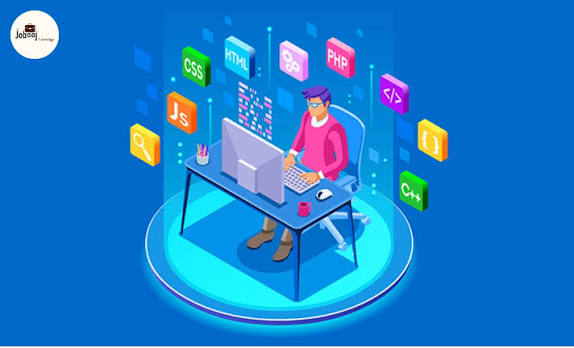
Today, web development has reached an advanced level. Modern websites are fast, responsive, secure, and highly interactive.
Modern web developers use technologies such as:
- HTML5
- CSS3
- JavaScript
- React
- Node.js
- PHP
- Python
- Databases
- Cloud services
- Artificial intelligence tools
Web applications today can perform tasks that were previously only possible through desktop software.
Examples include:
- Online banking systems
- Video streaming platforms
- Online learning platforms
- Project management tools
- Cloud-based applications
Different Types of Web Development
Web development is generally divided into three major categories:
1. Front-End Development
Front-end development focuses on everything users see and interact with on a website.
A front-end developer creates:
- Website layouts
- Navigation menus
- Buttons
- Forms
- Animations
- Responsive designs
Common front-end technologies include:
- HTML
- CSS
- JavaScript
The goal of front-end development is to create websites that look attractive and provide an excellent user experience.
2. Back-End Development
Back-end development focuses on the server side of a website. Users cannot directly see this part, but it controls how websites work.
Back-end developers handle:
- Servers
- Databases
- Security systems
- User authentication
- Website logic
Popular back-end programming languages include:
- PHP
- Python
- Java
- JavaScript (Node.js)
- Ruby
A strong back-end system ensures that websites are reliable, secure, and capable of handling large amounts of data.
3. Full-Stack Development
A full-stack developer works on both front-end and back-end development.
Full-stack developers understand:
- Website design
- Client-side programming
- Server management
- Databases
- APIs
- Security
Many companies prefer full-stack developers because they can handle complete website projects from beginning to end.

Frequently Asked Questions (FAQs) About Web Development
1. What is Web Development?
Web Development is the process of creating, designing, developing, and maintaining websites and web applications. It includes everything from creating website layouts and user interfaces to managing servers, databases, and website functionality.
2. What are the main types of Web Development?
There are three main types of Web Development:
- Front-End Development: Focuses on the visual parts of a website that users interact with.
- Back-End Development: Handles servers, databases, security, and website functionality.
- Full-Stack Development: Combines both front-end and back-end development skills.
3. Which programming languages are used in Web Development?
Many programming languages and technologies are used in Web Development, including:
- HTML for creating website structure
- CSS for website design and styling
- JavaScript for interactive features
- PHP, Python, Java, and Node.js for back-end programming
- SQL and other database technologies for storing information
4. Is Web Development difficult to learn?
Web Development can be learned by beginners with consistent practice and dedication. Starting with basic technologies like HTML, CSS, and JavaScript helps beginners build a strong foundation before moving to advanced frameworks and programming concepts.
5. How long does it take to learn Web Development?
The learning time depends on your goals and practice schedule. A beginner can learn basic website development within a few months, while becoming a professional web developer may require continuous learning and real-world project experience.
6. What is the difference between Web Design and Web Development?
Web design focuses on the appearance, layout, and visual experience of a website. Web Development focuses on coding, functionality, databases, and making the website work properly.
A successful website usually requires both good design and strong development.
7. Why is Web Development important for businesses?
Web Development helps businesses create an online presence, attract customers, increase sales, improve communication, and build credibility. A professional website allows companies to reach customers worldwide.
8. What skills are required to become a Web Developer?
Important skills for a web developer include:
- HTML, CSS, and JavaScript knowledge
- Problem-solving ability
- Understanding of databases
- Knowledge of frameworks and tools
- Basic design principles
- Security awareness
- Continuous learning ability
9. Can I earn money through Web Development?
Yes, Web Development provides many earning opportunities. Developers can work as freelancers, join companies, create websites for clients, build web applications, or start their own digital businesses.
10. What is the future of Web Development?
The future of Web Development is expected to grow with advancements in artificial intelligence, cloud computing, automation, and modern web technologies. Businesses will continue to need faster, safer, and more interactive websites.
Conclusion: The Importance of Web Development in the Digital World
Web Development has become one of the most valuable skills in today’s technology-driven world. From small business websites to large-scale online platforms, web development makes it possible to create digital experiences that connect people, solve problems, and support businesses.
A successful website is not only about attractive design. It requires proper coding, strong performance, security, responsive layouts, and a smooth user experience. Front-end development creates the visual experience, back-end development manages the technical operations, and full-stack development combines both areas to create complete solutions.
As the internet continues to grow, the demand for skilled web developers will continue increasing. New technologies such as artificial intelligence, advanced frameworks, and cloud-based solutions are creating new opportunities for developers and businesses.