

Introduction to Smart Automation
Technology has changed the way people live, work, and communicate. Every year, new innovations make daily tasks faster, easier, and more efficient. One of the most important developments in modern technology is Smart Automation.
Smart Automation combines advanced technologies such as artificial intelligence (AI), machine learning, robotics, data analytics, and connected devices to perform tasks with minimal human involvement. Unlike traditional automation, which follows fixed instructions, smart automation can learn, adapt, and improve over time.
From businesses managing complex operations to homes using intelligent devices, smart automation is becoming an essential part of the modern world. It helps organizations reduce costs, improve productivity, increase accuracy, and create better experiences for customers.
In simple words, smart automation means using intelligent technology to make systems work automatically while making decisions based on data and changing conditions.
What Is Smart Automation?
Smart Automation is the process of using intelligent software and machines to complete tasks automatically while having the ability to analyze information, make decisions, and improve performance.
Traditional automation depends on predefined rules. For example, a basic machine on a production line may repeat the same action every time. However, smart automation goes beyond repetition. It can identify patterns, predict outcomes, and respond to new situations.
For example:
- A smart customer service chatbot can understand questions and provide personalized answers.
- A smart factory system can detect equipment problems before a breakdown happens.
- A smart home system can adjust lighting and temperature based on user behavior.
- A business automation platform can analyze sales data and recommend better strategies.
The main goal of smart automation is not simply replacing human effort but improving human abilities by handling repetitive and complex tasks.
How Smart Automation Works

Smart Automation works through a combination of several advanced technologies. These technologies allow systems to collect information, process data, and perform actions intelligently.
Artificial Intelligence (AI)
Artificial intelligence is the foundation of smart automation. AI enables machines and software to understand information, recognize patterns, and make decisions.
For example, AI-powered systems can analyze customer behavior and suggest products based on personal interests.
Machine Learning
Machine learning allows systems to learn from experience. Instead of being programmed for every possible situation, machines improve their performance by analyzing previous data.
A recommendation system on an online shopping website is an example of machine learning in action.
Internet of Things (IoT)
The Internet of Things connects devices through the internet. Smart devices can communicate with each other and share information.
Examples include:
- Smart watches
- Smart security cameras
- Smart appliances
- Industrial sensors
Robotic Process Automation (RPA)
Robotic Process Automation uses software robots to complete repetitive digital tasks.
Businesses use RPA for:
- Data entry
- Invoice processing
- Report generation
- Customer record management
When combined with AI, RPA becomes more powerful because systems can handle more complex decisions.
Importance of Smart Automation in Modern Businesses
Businesses around the world are adopting smart automation to stay competitive. Companies need faster processes, lower costs, and better customer experiences.
Smart automation provides several advantages:
Increased Productivity
Automation allows employees to focus on important tasks instead of spending hours on repetitive activities. Machines can handle routine operations quickly and consistently.
For example, an automated system can process thousands of customer requests while employees focus on solving complex problems.
Reduced Human Errors
Manual work can sometimes lead to mistakes. Smart automation improves accuracy by following data-driven processes.
Industries such as healthcare, finance, and manufacturing use automation to reduce errors and improve reliability.
Better Decision Making
Smart automation systems collect and analyze large amounts of data. This information helps businesses make smarter decisions.
Companies can understand customer trends, predict market changes, and improve their strategies.
Cost Savings
Automation reduces operational expenses by improving efficiency and reducing the need for manual processes.
Although businesses may need initial investment, long-term savings can be significant.
Smart Automation in Different Industries
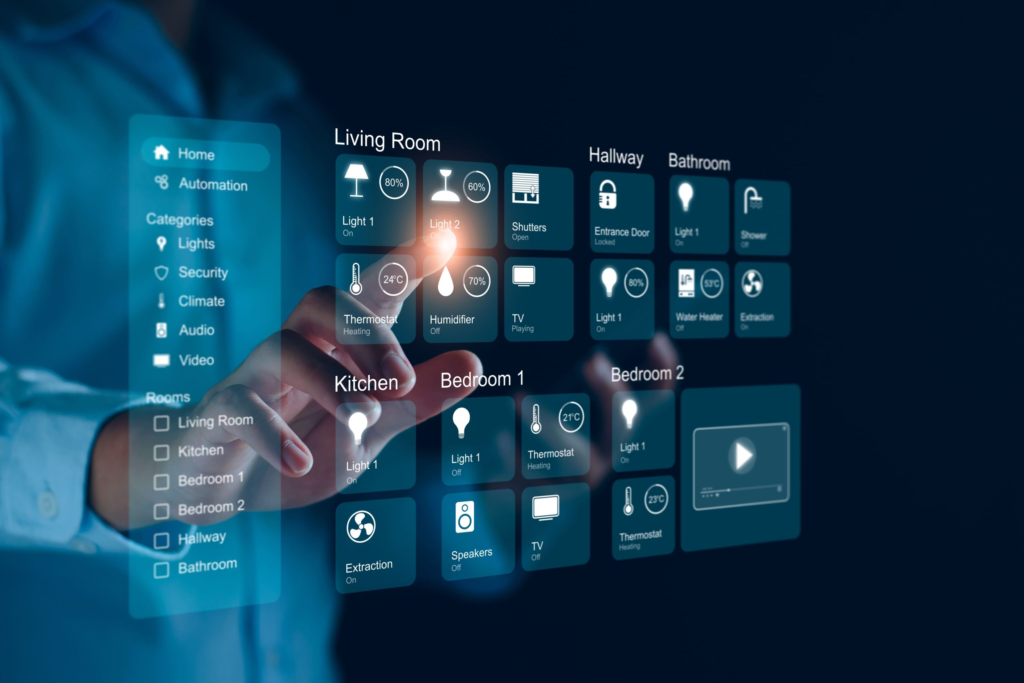
Smart automation is transforming almost every industry. From healthcare to agriculture, intelligent systems are creating new opportunities.
Smart Automation in Healthcare
Healthcare is one of the industries benefiting greatly from automation.
Examples include:
- AI-powered medical diagnosis
- Automated patient scheduling
- Digital health monitoring
- Robotic assistance in surgeries
Smart systems help doctors analyze information faster and provide better patient care.
Smart Automation in Manufacturing
Manufacturing companies use smart automation to create intelligent factories.
Modern factories use:
- Automated robots
- Smart sensors
- AI quality control systems
- Predictive maintenance technology
These systems increase production speed while maintaining quality.
Smart Automation in Banking and Finance
Financial organizations use automation for secure and efficient services.
Applications include:
- Fraud detection
- Automated customer support
- Risk analysis
- Digital payments
Smart automation helps financial institutions process information quickly and improve security.
Smart Automation in Retail
Retail businesses use automation to understand customers and improve shopping experiences.
Examples include:
- Personalized recommendations
- Automated inventory management
- Smart checkout systems
- AI customer assistants
These technologies help companies provide faster and more personalized services.
Smart Automation: The Future of Technology, Business, and Everyday Life
Part 2
Smart Automation in Everyday Life
Smart Automation is not limited to large companies and industries. It is becoming a common part of everyday life. Many people use automated technologies without even realizing how much they depend on them.
From smartphones to smart homes, automation is making daily activities more convenient and efficient.
Smart Homes and Connected Living
One of the most popular examples of smart automation is the smart home. Smart home technology allows people to control different devices automatically through mobile apps, voice commands, or intelligent systems.
Examples of smart home automation include:
- Smart lighting systems that adjust brightness automatically
- Smart thermostats that control temperature based on user preferences
- Smart security cameras that detect unusual activity
- Automated cleaning devices that work without human control
These systems learn from user habits and provide a more comfortable living experience.
For example, a smart thermostat can understand when people usually arrive home and automatically adjust the temperature before they enter.
Smart Automation in Smartphones and Personal Devices

Modern smartphones use smart automation every day. Many features work automatically to improve user experience.
Examples include:
- Voice assistants that answer questions
- Automatic photo organization
- Smart email filtering
- Predictive text suggestions
- Battery optimization systems
These features use artificial intelligence and machine learning to understand user behavior and provide helpful solutions.
Smart automation saves time by completing small tasks without requiring constant human input.
Smart Automation in Transportation
The transportation industry is experiencing major changes because of smart automation.
Modern vehicles now include intelligent features that improve safety and convenience.
Examples include:
- Automatic emergency braking
- Parking assistance systems
- Navigation recommendations
- Traffic prediction technology
- Driver assistance features
Smart transportation systems also help cities manage traffic more effectively.
Intelligent traffic lights, automated public transport systems, and smart parking solutions are helping create more efficient urban environments.
Benefits of Smart Automation
Smart Automation provides many benefits for individuals, businesses, and society. As technology continues to improve, these advantages are becoming more noticeable.
1. Saves Time
One of the biggest benefits of smart automation is time savings.
Tasks that previously required hours of manual work can now be completed within minutes. This allows people and businesses to focus on more important activities.
For example, companies can automate reports, emails, and data processing instead of performing these tasks manually.
2. Improves Efficiency
Smart automation helps systems operate faster and more effectively.
Automated processes can work continuously without breaks, which improves productivity and reduces delays.
Businesses can serve more customers while maintaining consistent quality.
3. Enhances Accuracy
Human mistakes can happen, especially when performing repetitive tasks.
Smart automation reduces errors by using advanced algorithms and accurate data processing.
This is especially valuable in industries where accuracy is extremely important, such as healthcare, finance, and engineering.
4. Provides Better Customer Experiences
Customers today expect fast and personalized services.
Smart automation helps businesses understand customer needs and provide better solutions.
Examples include:
- Personalized shopping recommendations
- Instant chatbot support
- Automated appointment systems
- Customized marketing messages
When businesses understand customer preferences, they can create stronger relationships.
5. Supports Business Growth
Smart automation allows companies to grow without increasing operational complexity.
A business can handle more customers, manage larger amounts of data, and improve services through automated systems.
Small businesses can also benefit by using affordable automation tools for marketing, communication, and administration.
Challenges of Smart Automation
Although smart automation offers many advantages, it also comes with challenges. Understanding these challenges helps organizations use automation responsibly.
High Initial Investment
Implementing smart automation systems often requires investment in software, hardware, training, and maintenance.
Small businesses may find the initial cost challenging, although long-term benefits can make automation valuable.
Data Security Concerns
Smart automation systems often depend on large amounts of data.
Protecting this data is important because cyber threats can affect automated systems.
Organizations need strong security practices to protect sensitive information.
Job Transformation
Automation changes the way people work. Some repetitive jobs may decrease, while new opportunities appear in technology, management, and creative fields.
The future workplace will likely focus more on collaboration between humans and intelligent systems.
Workers may need new skills to adapt to changing job requirements.
Technical Complexity
Building and managing smart automation systems requires technical knowledge.
Companies need skilled professionals who understand artificial intelligence, software development, data management, and cybersecurity.
The Future of Smart Automation
The future of smart automation looks promising. As artificial intelligence and other technologies continue to develop, automation systems will become more intelligent and useful.
Future smart automation trends may include:
Advanced Artificial Intelligence
AI systems will become better at understanding human needs, making decisions, and solving complex problems.
Future automation tools may provide more accurate predictions and personalized experiences.
Fully Connected Smart Environments
Homes, offices, factories, and cities will become more connected.
Devices will communicate with each other automatically, creating environments that respond intelligently to human behavior.
More Human and Machine Collaboration
The future is not only about machines replacing humans. Instead, smart automation will help people work more efficiently.
Humans will focus on creativity, strategy, and problem-solving, while machines handle repetitive tasks.
Growth of Autonomous Systems
Autonomous vehicles, intelligent robots, and automated service systems are expected to become more common.
These technologies may improve transportation, healthcare, logistics, and many other industries.
How Businesses Can Start Using Smart Automation
Businesses interested in automation should begin with clear goals and practical solutions.
Here are some steps:
Identify Repetitive Tasks
Companies should find tasks that consume time but do not require complex human decisions.
Examples:
- Data entry
- Scheduling
- Customer notifications
- Document processing
Choose the Right Automation Tools
Different businesses have different needs. The right technology depends on goals, budget, and industry requirements.
Organizations should select solutions that can grow with their future needs.
Train Employees
Employees should understand how automation works and how it can support their roles.
Training helps teams use technology effectively.
Monitor and Improve Systems
Smart automation is not a one-time process. Businesses should regularly analyze performance and improve their systems.
Continuous improvement helps organizations receive maximum benefits.
Smart Automation vs Traditional Automation
Many people confuse smart automation with traditional automation. Although they are related, there are important differences.
| Traditional Automation | Smart Automation |
|---|---|
| Works according to fixed rules | Learns from data |
| Handles repetitive tasks | Handles complex decisions |
| Requires manual updates | Improves automatically |
| Limited flexibility | Highly adaptable |
| Does not analyze situations | Uses AI and machine learning |
Traditional automation focuses on efficiency, while smart automation focuses on intelligence and adaptability.
Why Smart Automation Is Important for the Future
Smart Automation is becoming a key technology because the modern world requires faster, smarter, and more efficient solutions.
Businesses need automation to compete in global markets. Individuals need automation to manage busy lifestyles. Industries need automation to improve safety, accuracy, and innovation.
As technology continues to advance, smart automation will become an even bigger part of everyday life.
The organizations and individuals who understand and adopt smart automation early will have better opportunities in the digital future.
Frequently Asked Questions About Smart Automation
What is Smart Automation?
Smart Automation is the use of artificial intelligence, machine learning, and advanced technologies to complete tasks automatically while making intelligent decisions.
What are examples of Smart Automation?
Examples include smart homes, AI chatbots, automated factories, intelligent vehicles, recommendation systems, and automated business processes.
Is Smart Automation replacing humans?
Smart automation is mainly designed to support humans by reducing repetitive work and improving productivity. Many jobs will change, but new opportunities will also develop.
What industries use Smart Automation?
Industries using smart automation include healthcare, finance, manufacturing, retail, transportation, agriculture, and education.
What is the future of Smart Automation?
The future of smart automation includes more intelligent AI systems, connected environments, autonomous machines, and improved human-machine collaboration.
Conclusion
Smart Automation is transforming the way people live and businesses operate. By combining artificial intelligence, machine learning, robotics, and connected technologies, automation systems are becoming smarter and more powerful.
From improving productivity in companies to making homes more convenient, smart automation provides solutions for many modern challenges.
Although there are challenges such as security concerns, investment costs, and workforce changes, the advantages of smart automation are significant.
The future will not simply belong to machines or humans alone. It will belong to the successful partnership between human creativity and intelligent technology.
Smart Automation is not just a trend. It is a major step toward a faster, smarter, and more connected world.