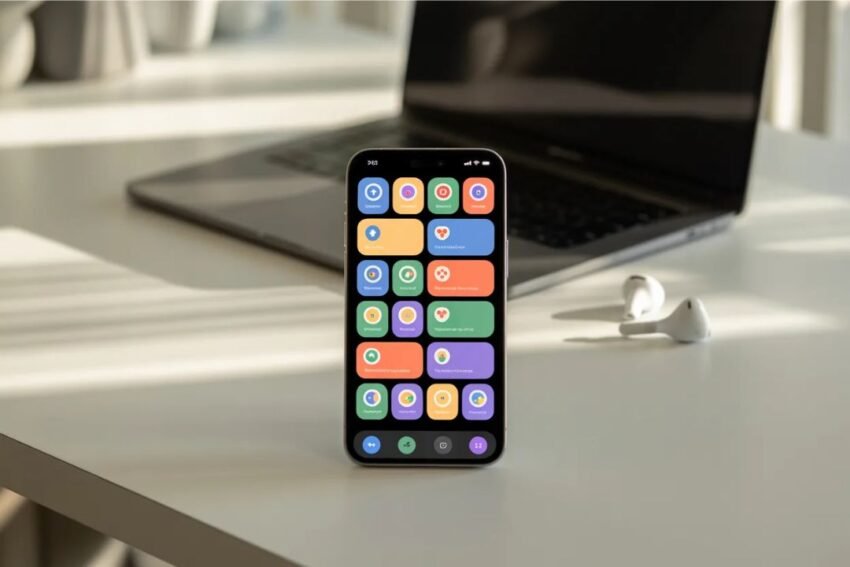
The technology landscape is evolving faster than ever. In 2026, apps and software are not just tools — they are intelligent systems that anticipate needs, automate tasks, and enhance every aspect of personal and professional life. From AI-powered assistants and immersive platforms to seamless cloud solutions, the next generation of software is reshaping productivity, creativity, entertainment, and business operations.
In this article, we explore the future trends in apps and software, highlighting innovations that will define the next era of technology and provide actionable insights for businesses, developers, and everyday users.
1. AI-First Applications
Artificial intelligence (AI) is at the heart of nearly every new software trend in 2026. AI-first apps go beyond simple automation — they learn from user behavior, predict needs, and provide intelligent recommendations.
Key Features
- Predictive analytics for personal and business decisions
- Automated workflows and task management
- Voice and gesture control
- Context-aware personalization
Impact
AI-first apps increase productivity, reduce human error, and create personalized user experiences that adapt over time. This trend will dominate productivity tools, finance apps, and customer engagement platforms.
2. Hyper-Personalized Software Experiences
The next wave of apps will deliver hyper-personalized experiences, tailoring content, notifications, and features to individual users.
Examples
- AI-based learning apps customizing lessons based on progress
- Health apps adjusting recommendations according to real-time biometric data
- E-commerce apps offering dynamic pricing and product suggestions
Impact
Personalization enhances engagement, improves user satisfaction, and drives retention — making it a must-have strategy for all app developers.
3. Immersive AR & VR Applications
Augmented reality (AR) and virtual reality (VR) are moving beyond gaming into education, training, healthcare, and remote collaboration.
Key Features
- AR overlays for navigation, shopping, and learning
- VR classrooms and virtual workspaces
- Immersive simulations for healthcare, engineering, and creative industries
Impact
Immersive apps make digital experiences more engaging, interactive, and practical, transforming how we work, learn, and socialize.
4. Cloud-Native and Cross-Platform Software
With hybrid work and global connectivity, cloud-native apps that run seamlessly across devices and platforms are gaining traction.
Key Features
- Real-time collaboration
- Automatic updates and scalability
- Accessible from any device (PC, mobile, tablet)
- Integrated data storage and backup
Impact
Cloud-native solutions simplify IT management, reduce costs, and enable teams to work flexibly without device constraints.
5. AI-Powered Cybersecurity Solutions
As software adoption increases, cybersecurity threats become more sophisticated. AI-driven security apps detect anomalies, predict threats, and automatically respond to attacks in real time.
Key Features
- Threat intelligence and anomaly detection
- Automated patching and incident response
- Multi-layered defense across cloud and endpoints
- Behavioral analytics for user protection
Impact
Future software will prioritize security by design, ensuring user data is safe while reducing manual monitoring.
6. Voice and Conversational Interfaces
Voice-controlled and conversational apps are on the rise, making software more accessible and intuitive.
Key Features
- Natural language processing (NLP) for commands and queries
- AI chatbots for customer support and personal assistance
- Voice navigation and control in productivity and smart home apps
Impact
These interfaces reduce friction, save time, and make digital interaction feel more human and natural.
7. Low-Code and No-Code Platforms
The next generation of software development is democratizing app creation. Low-code and no-code platforms allow anyone — even non-developers — to build sophisticated applications quickly.
Key Features
- Drag-and-drop interfaces for app creation
- Prebuilt templates and modules
- Integration with APIs and third-party services
- AI-assisted coding suggestions
Impact
These platforms accelerate innovation, empower small businesses, and reduce dependency on traditional developers.
8. Sustainable and Green Software
Environmental consciousness is shaping software trends. Future apps are designed to optimize energy use, reduce cloud carbon footprints, and promote sustainability.
Key Features
- Energy-efficient algorithms
- Cloud optimization to reduce server load
- Analytics to monitor environmental impact
- Tools promoting sustainable practices for users
Impact
Sustainable software helps businesses and individuals contribute to environmental goals without sacrificing performance.
9. Integrated Ecosystems
Software in 2026 will focus on interoperability — integrating multiple apps and platforms into unified ecosystems.
Key Features
- Cross-platform data sharing
- Unified dashboards for productivity, finance, health, and entertainment
- API-driven integration for automation and workflows
Impact
Integrated ecosystems reduce app fragmentation, enhance user experience, and provide holistic solutions for work and personal life.
10. Quantum-Ready and Advanced Computational Software
Quantum computing is emerging as a software frontier, particularly for complex data analysis, cryptography, and simulation. While still early-stage, software that is quantum-ready will revolutionize scientific research, finance, and AI applications.
Key Features
- Advanced optimization algorithms
- Complex simulation capabilities
- AI-enhanced predictive modeling
- Secure quantum-resistant encryption
Impact
Early adoption of quantum-ready software will give businesses and researchers a competitive advantage in problem-solving and innovation.
Key Takeaways for Businesses and Developers
- Embrace AI Everywhere: Intelligent automation and predictive analytics will define success.
- Focus on Personalization: Hyper-personalized apps improve engagement and loyalty.
- Prioritize Security: AI-powered cybersecurity will protect growing digital ecosystems.
- Go Cloud-Native: Flexibility, scalability, and cross-platform support are essential.
- Leverage Low-Code Platforms: Faster development enables innovation at scale.
Conclusion
The future of apps and software is intelligent, immersive, and interconnected. In 2026, we’ll see technology that adapts to user behavior, automates complex tasks, and creates seamless experiences across devices and platforms.
Whether you are a business leader, developer, or everyday user, understanding these trends is crucial to staying competitive and leveraging technology for productivity, entertainment, and growth. The next generation of software will not just support our lives — it will anticipate our needs, transform our workflows, and redefine how we interact with the digital world.
By keeping an eye on AI, immersive experiences, cloud ecosystems, and sustainable software, you can prepare for the future of technology and ensure you’re ready to thrive in 2026 and beyond.