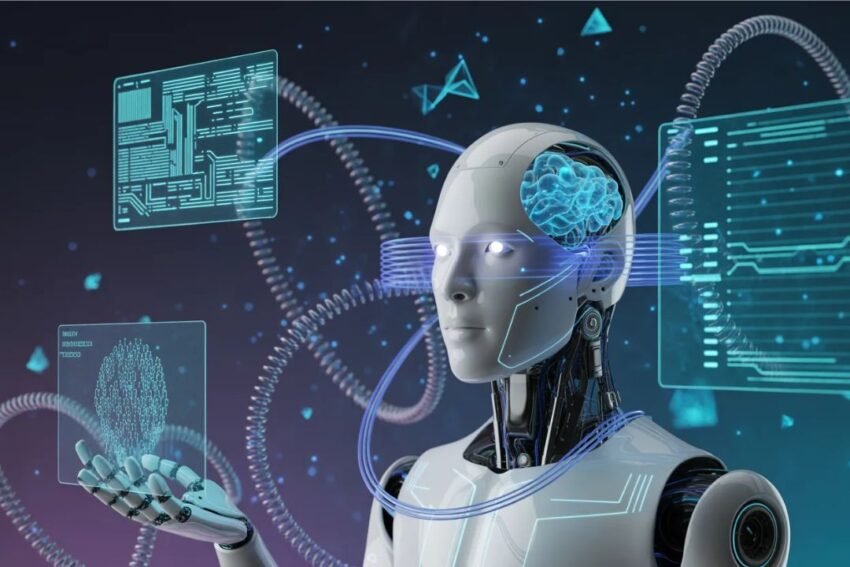
Technology is evolving at an incredible pace, and at the center of this transformation is Artificial Intelligence (AI). From smart assistants and autonomous machines to advanced robotics and predictive analytics, AI is reshaping industries and redefining how humans interact with technology.
In 2026 and beyond, artificial intelligence is expected to become even more powerful, influencing every aspect of life—from healthcare and education to business, entertainment, and transportation. For tech enthusiasts, understanding the latest AI and future technology trends is essential to stay ahead in a rapidly changing digital world.
This article explores the most important AI and future technology trends every tech lover must know to understand how the future of technology is being built today.
The Rise of Artificial Intelligence
Artificial Intelligence refers to computer systems designed to perform tasks that typically require human intelligence. These tasks include learning from data, recognizing patterns, understanding natural language, solving problems, and making decisions.
AI technologies such as machine learning, deep learning, natural language processing, and computer vision are already transforming multiple industries. Today, AI is used in voice assistants, recommendation systems, fraud detection, and medical diagnostics.
As technology advances, AI systems are becoming smarter, faster, and more capable of handling complex challenges.
Trend 1: Generative AI and Content Creation
One of the fastest-growing AI trends is generative AI, which allows machines to create original content such as text, images, videos, and music.
Generative AI tools are helping businesses and creators produce content more efficiently. Writers, marketers, designers, and developers can use AI to generate ideas, automate tasks, and enhance creativity.
Examples of generative AI applications include:
- AI-powered writing assistants
- Image generation tools
- Automated video creation
- AI-generated music and art
This technology is transforming industries such as marketing, entertainment, journalism, and digital media.
Trend 2: AI-Powered Automation
Automation powered by artificial intelligence is revolutionizing industries by reducing manual work and increasing efficiency.
AI systems can perform repetitive and time-consuming tasks with high accuracy. Businesses are using AI automation to streamline operations, reduce costs, and improve productivity.
Industries benefiting from AI automation include:
- Manufacturing
- Logistics and supply chains
- Customer service
- Financial services
Automation allows employees to focus on more strategic and creative tasks while machines handle routine operations.
Trend 3: Smart Devices and the Internet of Things (IoT)
The Internet of Things (IoT) is another major technology trend closely connected with artificial intelligence. IoT refers to networks of smart devices that collect and share data through the internet.
Examples of IoT devices include:
- Smart home assistants
- Wearable health devices
- Smart thermostats
- Connected vehicles
When AI is combined with IoT, these devices become capable of learning user behavior and making intelligent decisions. For example, smart homes can automatically adjust lighting, temperature, and security settings based on user preferences.
This integration is creating a more connected and intelligent digital environment.
Trend 4: AI in Healthcare Innovation
Healthcare is one of the industries experiencing the greatest transformation through AI technology.
AI-powered tools are helping doctors diagnose diseases earlier and more accurately. Machine learning models can analyze medical images, patient records, and genetic data to identify potential health risks.
Future healthcare innovations powered by AI may include:
- Early detection of diseases such as cancer
- Personalized treatment plans
- AI-assisted robotic surgeries
- Faster drug discovery
These advancements will improve patient care, reduce medical errors, and make healthcare more accessible.
Trend 5: Autonomous Systems and Robotics
Robotics combined with artificial intelligence is enabling machines to perform complex tasks with minimal human intervention.
Autonomous systems are already being used in industries such as manufacturing, agriculture, and transportation.
Examples of AI-powered robotics include:
- Self-driving vehicles
- Warehouse automation robots
- Agricultural robots for crop monitoring
- Delivery drones
In the future, robots may work alongside humans in workplaces, assisting with tasks that require precision, speed, or heavy labor.
Trend 6: AI in Cybersecurity
As digital systems become more advanced, cybersecurity threats are also increasing. Artificial intelligence is becoming a crucial tool for protecting digital infrastructure.
AI cybersecurity systems can analyze massive amounts of data in real time to detect suspicious activity and potential threats.
Key benefits of AI in cybersecurity include:
- Real-time threat detection
- Automated security monitoring
- Fraud prevention in financial systems
- Rapid response to cyberattacks
By identifying vulnerabilities early, AI helps organizations protect sensitive data and maintain secure digital environments.
Trend 7: The Growth of Smart Cities
Urban areas around the world are adopting AI technologies to create smart cities that improve efficiency and sustainability.
Smart cities use AI to manage transportation systems, energy usage, waste management, and public safety.
Examples of smart city applications include:
- Intelligent traffic control systems
- Smart energy grids
- AI-powered surveillance for public safety
- Efficient waste collection systems
These technologies help cities reduce pollution, conserve resources, and improve the quality of life for residents.
Ethical Challenges of Artificial Intelligence
While AI offers many benefits, it also raises important ethical and social concerns.
Data Privacy
AI systems rely heavily on large datasets, which often include personal information. Protecting user privacy and ensuring secure data usage is a major challenge.
Job Displacement
Automation may replace certain jobs, particularly those involving repetitive tasks. However, AI is also creating new career opportunities in technology and data science.
Algorithm Bias
AI systems trained on biased data may produce unfair outcomes. Developers must ensure that AI models are designed with fairness and transparency in mind.
Responsible AI Development
Governments, organizations, and technology companies must work together to develop ethical guidelines and regulations for responsible AI usage.
The Future of Artificial Intelligence
The future of artificial intelligence is filled with possibilities. As AI continues to evolve, it will become more integrated into everyday life and more capable of solving complex global problems.
Some future possibilities include:
- AI-powered scientific discoveries
- Advanced human-like virtual assistants
- Fully autonomous transportation systems
- Breakthroughs in medical research
- Intelligent global communication systems
Artificial intelligence will not replace human intelligence but rather enhance it, enabling humans to achieve greater levels of innovation and productivity.
Conclusion
Artificial Intelligence is one of the most exciting technological developments of our time. From generative AI and smart devices to autonomous robots and cybersecurity solutions, AI is transforming industries and reshaping the future of technology.
For tech lovers, staying informed about the latest AI and future tech trends is essential to understanding where the world is heading. As AI continues to evolve, it will open new opportunities for innovation, economic growth, and global progress.
The future of technology is being built today, and artificial intelligence is at the heart of this incredible transformation.