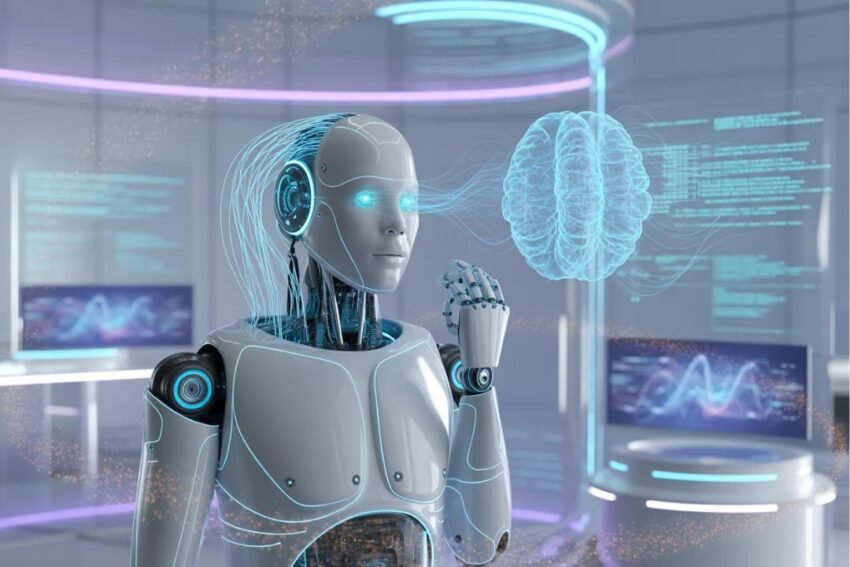
Artificial Intelligence (AI) is one of the most transformative technologies of the 21st century. Over the past decade, AI has evolved from a theoretical concept into a powerful force driving innovation across industries. In 2026 and beyond, AI technology is expected to revolutionize the way humans live, work, and interact with the world.
From intelligent machines and autonomous vehicles to advanced healthcare systems and smart cities, artificial intelligence is rapidly shaping the future of humanity. As research and development continue to expand, several groundbreaking innovations are emerging that will define the next generation of technology.
In this article, we explore seven powerful AI innovations that will shape the future and transform our world in the coming years.
1. Autonomous Vehicles and Smart Transportation
One of the most anticipated AI innovations is the development of fully autonomous vehicles. Self-driving cars use artificial intelligence, machine learning, sensors, and computer vision to navigate roads without human intervention.
AI-powered vehicles can analyze traffic patterns, detect obstacles, and make real-time decisions to ensure safe driving. This technology has the potential to significantly reduce road accidents caused by human error.
In the future, AI-driven transportation systems may include:
- Self-driving cars and trucks
- Autonomous public transport systems
- AI-powered traffic management
- Smart parking solutions
These innovations will make transportation safer, faster, and more efficient while reducing traffic congestion and fuel consumption.
2. AI-Powered Healthcare and Medical Breakthroughs
Artificial intelligence is already transforming healthcare, but the future promises even greater breakthroughs. AI systems can analyze vast amounts of medical data to help doctors diagnose diseases more accurately and quickly.
Advanced AI algorithms are capable of detecting patterns in medical images such as X-rays, CT scans, and MRIs that might be difficult for human doctors to identify.
Future AI healthcare innovations may include:
- Early disease detection using predictive analytics
- Personalized medicine based on genetic data
- AI-assisted robotic surgeries
- Faster drug discovery and development
These advancements will improve patient outcomes, reduce healthcare costs, and make medical treatment more accessible worldwide.
3. Intelligent Virtual Assistants
Virtual assistants have already become common in homes and workplaces, but the next generation of AI assistants will be far more advanced.
Future AI assistants will understand human emotions, context, and complex instructions. They will be capable of performing tasks such as scheduling meetings, managing finances, controlling smart homes, and even providing emotional support.
As natural language processing continues to improve, interacting with AI will feel more like talking to a human rather than a machine.
This development will significantly increase productivity and convenience in everyday life.
4. AI in Education and Personalized Learning
Education is another sector that will be dramatically transformed by artificial intelligence. Traditional learning systems often struggle to meet the needs of individual students, but AI-powered education platforms can personalize learning experiences.
AI systems can analyze student performance and adapt lessons based on their strengths and weaknesses.
Future AI education tools may include:
- Intelligent tutoring systems
- Personalized learning paths
- Automated grading systems
- AI-powered educational content generation
These innovations will help students learn more effectively and provide equal educational opportunities to learners around the world.
5. Smart Cities and Urban Development
AI technology will play a major role in building smart cities that are more efficient, sustainable, and livable.
Smart cities use artificial intelligence to manage infrastructure, transportation, energy systems, and public services. AI can analyze data from sensors and connected devices to improve city operations and enhance quality of life.
Examples of AI-powered smart city applications include:
- Intelligent traffic management systems
- Smart energy grids
- Waste management optimization
- Public safety monitoring
These systems will help cities reduce pollution, conserve resources, and improve urban planning for growing populations.
6. AI in Cybersecurity
As digital technologies expand, cybersecurity threats are becoming more sophisticated. Artificial intelligence is emerging as a powerful tool for protecting digital systems from cyberattacks.
AI-powered cybersecurity systems can monitor networks in real time, detect unusual behavior, and respond to threats faster than human security teams.
Future AI cybersecurity technologies may include:
- Automated threat detection
- AI-driven fraud prevention
- Real-time network monitoring
- Predictive security analytics
By identifying vulnerabilities and preventing attacks before they occur, AI will play a critical role in protecting sensitive data and digital infrastructure.
7. Human-AI Collaboration in the Workplace
Instead of replacing humans entirely, the future of AI will focus on collaboration between humans and intelligent machines.
AI systems can handle repetitive tasks, analyze large datasets, and automate complex processes, allowing humans to focus on creativity, problem-solving, and strategic thinking.
Industries such as finance, manufacturing, marketing, and research are already using AI to improve productivity and innovation.
Future workplaces may include:
- AI-powered decision support systems
- Collaborative robots (cobots) working alongside humans
- Intelligent data analysis tools
- Automated customer service platforms
This collaboration between humans and AI will redefine the modern workplace and create new opportunities for economic growth.
Challenges and Ethical Considerations
While the future of AI technology is promising, it also raises several important challenges and ethical concerns.
Job Displacement
Automation may replace certain jobs, especially those involving repetitive tasks. However, AI will also create new roles in fields such as data science, machine learning, and AI engineering.
Data Privacy
AI systems rely on large amounts of data, which raises concerns about how personal information is collected, stored, and used.
Algorithmic Bias
If AI systems are trained on biased data, they may produce unfair outcomes. Developers must ensure that AI algorithms are transparent and unbiased.
Regulation and Governance
Governments and organizations must develop regulations to ensure AI technology is used responsibly and ethically.
Addressing these challenges will be essential for building a safe and trustworthy AI future.
The Future Outlook of Artificial Intelligence
The future of artificial intelligence is incredibly exciting. As research continues and technology advances, AI will become more powerful, intelligent, and integrated into everyday life.
Experts predict that AI will help solve some of humanity’s biggest challenges, including climate change, disease prevention, food production, and sustainable development.
Artificial intelligence will not only transform industries but also redefine how humans interact with technology.
Conclusion
Artificial Intelligence is shaping the future in ways that were once unimaginable. From autonomous transportation and healthcare breakthroughs to smart cities and intelligent workplaces, AI innovations are set to transform every aspect of modern life.
The seven powerful AI innovations discussed in this article represent just a glimpse of what lies ahead. As technology continues to evolve, the collaboration between humans and AI will unlock new possibilities and drive progress across the globe.
The future of AI technology is not just about machines becoming smarter—it is about creating a world where technology enhances human potential and improves the quality of life for everyone.